
Imagine Talk 1 – Read the Transcript
Transcript – Anti-racism: Empowering Change Through Art and Culture
1
00:00:25.530 –> 00:00:27.370
Lena Nahlous (she/her), Diversity Arts Australia: Hi, everyone.
2
00:00:27.600 –> 00:00:42.560
Lena Nahlous (she/her), Diversity Arts Australia: I just wanted to welcome
everyone who’s joining us today from across the Philippines, the UK and
Australia, and the many lands that you’re joining us from. My name is Lina
Nachlus, and I’m the CEO of Diversity Arts, Australia.
3
00:00:42.560 –> 00:01:06.349
Lena Nahlous (she/her), Diversity Arts Australia: I’m a middle-aged Arab woman.
I have light olive skin, dark brown hair with some grays, and I’m currently
wearing a caramel top, and I’m wearing black rimmed glasses. If anyone wants
to turn captions on, you can go to the bottom of your zoom screen and click on
show captions, and this session is being interpreted by Yasmin Dandachi and
Dima el Alam.
4
00:01:06.920 –> 00:01:28.740
Lena Nahlous (she/her), Diversity Arts Australia: I wanted to start by
acknowledging on behalf of diversity arts, Australia, the 1st peoples of these
lands that I’m joining you from today, the lands of the Wangal people of the Yora
nation, and pay respects to elders, past and present, and recognise that
sovereignty has never been ceded.
5
00:01:28.790 –> 00:01:51.310
Lena Nahlous (she/her), Diversity Arts Australia: I’d also like to extend that
respect to all of the elders on the lands that you’re joining us from today and
other 1st peoples joining this session within Australia and across the world.
Please feel free to write the lands that you’re joining us on from in the chat. For
those who don’t know diversity arts. Australia is
6
00:01:51.310 –> 00:02:04.599
Lena Nahlous (she/her), Diversity Arts Australia: Australia’s national voice for
ethnocultural and migrant racial equity in the art screen and creative sectors,
and we work in partnership and solidarity with other social movements and other
communities.
7
00:02:04.600 –> 00:02:21.769
Lena Nahlous (she/her), Diversity Arts Australia: Our work is guided by human
rights, ethic and social justice principles, and we strongly believe that embracing
a diverse range of creative expressions and participation is essential for
fostering a democratic, inclusive and sustainable creative sector and society.
8
00:02:22.880 –> 00:02:47.279
1
Lena Nahlous (she/her), Diversity Arts Australia: Our relationship
to the imagine around the World Project came from our work on the Creative
Equity Toolkit and Aisha Mahmoud, who’s doing tech today and is one of our
wonderful research assistants, will pop in the link to the creative equity toolkit.
And we’ll be sharing a little video on that very soon. The Imagine case studies.
So we’ve
9
00:02:47.280 –> 00:03:03.380
Lena Nahlous (she/her), Diversity Arts Australia: got this amazing toolkit that
we’re going to introduce you to. And the Imagine case studies came from this
idea that we wanted to kind of capture leading work in racial equity, and share
this in a way that was accessible and practical
10
00:03:03.380 –> 00:03:30.369
Lena Nahlous (she/her), Diversity Arts Australia: with other organisations and
individuals, and it also came from a place of decentering. Quite often, I guess
the West. And so the project has collected 71 case studies from 43 countries
from around the world. And most of those case studies are, and 13 1st
nations-led local case studies as well. So
11
00:03:30.370 –> 00:03:37.050
Lena Nahlous (she/her), Diversity Arts Australia: there’s a lot of very practical,
useful information in those case studies that is designed to be
12
00:03:37.050 –> 00:04:01.489
Lena Nahlous (she/her), Diversity Arts Australia: kind of practical and actionable
for other people to be able to kind of, take it and say, Oh, I can do this. This is
how we created this or we, we can develop. You know, we can work better with
community this way, because this is how this organisation did it. So we’ll also
pop a link in to imagine now. And I wanted to acknowledge that the imagine
project and creative equity. Toolkits have received funding
13
00:04:01.490 –> 00:04:09.599
Lena Nahlous (she/her), Diversity Arts Australia: from our partners. British
Council, Australia, creative Australia, create New South Wales and creative
Victoria.
14
00:04:09.790 –> 00:04:15.239
Lena Nahlous (she/her), Diversity Arts Australia: So we’re now going to show a
little video about the creative equity toolkit.
15
00:04:23.320 –> 00:04:25.290
Lena Nahlous (she/her), Diversity Arts Australia: It’s there’s no audio.
16
00:04:28.170 –> 00:04:29.660
Lena Nahlous (she/her), Diversity Arts Australia: There’s no audio.
2
17
00:04:33.740 –> 00:04:35.759
Ayesha Mahmud (Diversity Arts Australia): Is that working now? The audio.
18
00:04:35.760 –> 00:04:36.700
Lena Nahlous (she/her), Diversity Arts Australia: Yeah.
19
00:04:36.700 –> 00:04:45.129
Görkem (Gerkam) Acaroğlu (Metanoia Theatre): Aisha, when you click share, I
think you just need to click down the bottom. There’s 2 things to click for
optimized audio and share video.
20
00:04:56.360 –> 00:04:57.740
Görkem (Gerkam) Acaroğlu (Metanoia Theatre): Take for racial equity.
21
00:04:58.050 –> 00:05:07.980
Görkem (Gerkam) Acaroğlu (Metanoia Theatre): Right now a lot of people are
asking, what actions can I take for racial equity? That’s the exact question that
the creative equity toolkit sets out to answer. So let’s take a look.
22
00:05:08.350 –> 00:05:23.509
Görkem (Gerkam) Acaroğlu (Metanoia Theatre): The website is organized
around calls to action. So here in policy, for example, we have development,
equity and inclusion policy. There’s some info on how to do this, followed by links
to color-coded resources, links to templates and worksheets are pink.
23
00:05:23.580 –> 00:05:25.769
Görkem (Gerkam) Acaroğlu (Metanoia Theatre): The case studies are green
24
00:05:26.010 –> 00:05:28.969
Görkem (Gerkam) Acaroğlu (Metanoia Theatre): and the research and reports
are orange
25
00:05:29.400 –> 00:05:36.720
Görkem (Gerkam) Acaroğlu (Metanoia Theatre): for each resource link. There’s
a little explanation of what you’ll find if you click through and an indication of the
time commitment.
26
00:05:37.150 –> 00:05:38.810
Görkem (Gerkam) Acaroğlu (Metanoia Theatre): So here, for example.
27
00:05:38.890 –> 00:05:48.360
Görkem (Gerkam) Acaroğlu (Metanoia Theatre): there’s a case study about the
exercise. Game zombies run and the process they use to hire diverse
scriptwriters for their next script. You can read their blog post about it.
3
28
00:05:48.580 –> 00:05:57.119
Görkem (Gerkam) Acaroğlu (Metanoia Theatre): If you click on this pink link, you
reach the creative diversity network’s equality and diversity policy template
which you can then adapt to your needs.
29
00:05:57.170 –> 00:06:05.679
Görkem (Gerkam) Acaroğlu (Metanoia Theatre): Under anti-racism we have the
action. Educate yourself here we have Ibram X. Kendi. Introducing his book, how
to be an anti-racist.
30
00:06:05.690 –> 00:06:12.109
Görkem (Gerkam) Acaroğlu (Metanoia Theatre): and we have the Uk’s Rene
Eddow Lodge on her book. Why, I’m no longer talking to white people about
race.
31
00:06:12.540 –> 00:06:15.200
Görkem (Gerkam) Acaroğlu (Metanoia Theatre): There’s also a powerful search
function.
32
00:06:15.240 –> 00:06:26.049
Görkem (Gerkam) Acaroğlu (Metanoia Theatre): And to start with, we have 4
topics, anti-racism, cultural consultation, programming and commissioning and
policy. We’ll soon be expanding to cover another 6 topics.
33
00:06:26.070 –> 00:06:33.800
Görkem (Gerkam) Acaroğlu (Metanoia Theatre): I’m Monique Choi project
producer and lead writer on the creative equity toolkit which you can find at
creativee toolkit.org dot.
34
00:06:37.970 –> 00:06:39.760
Lena Nahlous (she/her), Diversity Arts Australia: Sasha for showing that
35
00:06:40.060 –> 00:07:03.700
Lena Nahlous (she/her), Diversity Arts Australia: we actually have 10 sections
now of the creative equity toolkit and growing so really encourage you to spend
some time and check that out. And also the Imagine case studies on which
these wonderful talks are based, and which you’ll hear a little bit more about in a
minute. I wanted to hand over now to our host, our talk host, and our event
partner.
36
00:07:03.700 –> 00:07:13.669
Lena Nahlous (she/her), Diversity Arts Australia: Doctor Sukhmani Khorana, who
is a scantier associate professor in the School of Arts and Media at the
University of New South Wales.
4
37
00:07:13.970 –> 00:07:29.260
Lena Nahlous (she/her), Diversity Arts Australia: She’s interested in media and
migration, and her research focuses on multi-platform refugee narratives, the
politics of food, the role of emotions in social change, cultural diversity in media
and culture and self-representation by young people of colour.
38
00:07:29.290 –> 00:07:53.169
Lena Nahlous (she/her), Diversity Arts Australia: Through her research,
Sukhmani aims to create broader awareness about the lives of asylum seekers
and refugees, and contribute to capacity building of disadvantaged migrant
communities. She’s the author of 2 books, co-editor of 2 edited collections, and
has published dozens of academic and non-academic articles. So over to you,
Sukhmani.
39
00:07:55.190 –> 00:08:00.429
Sukhmani Khorana (on Darug land): Thank you so much, Lena, for that kind
introduction. And I’ve also should flag that I have
40
00:08:00.540 –> 00:08:26.859
Sukhmani Khorana (on Darug land): worked on the imagined case, studies a
couple of the imagined case studies several years ago. So it’s good to have that
kind of ongoing connection with the project. So welcome everyone before we
begin today. I would like to acknowledge the traditional owners of the land on
which we are meeting for me. That is the Darug people in Western Sydney, and
also work on vigil lands in Eastern Sydney, where Unsw. Is located.
41
00:08:27.400 –> 00:08:35.629
Sukhmani Khorana (on Darug land): I would like to pay my respects to their
elders, past and present, and acknowledge that this is and always was, and
always will be, aboriginal land.
42
00:08:35.830 –> 00:08:45.819
Sukhmani Khorana (on Darug land): Now, since this is an online session, I would
also like to acknowledge the traditional owners of the various lands on which you
were all based, whether it’s here in Australia or it’s overseas.
43
00:08:46.040 –> 00:09:09.459
Sukhmani Khorana (on Darug land): Now for today’s talk, which is titled
anti-racism, empowering change through art and culture. I’m going to begin by
introducing a short video from Anna Hay, who’s of British Council, Australia,
which is an organization that did also fund. The imagine projects. So over to you,
Aisha, to play the imagine video.
44
00:09:13.410 –> 00:09:19.209
Lena Nahlous (she/her), Diversity Arts Australia: Aisha. There’s a problem.
There’s a big black bar covering the head of Anna.
5
45
00:09:22.280 –> 00:09:23.930
Ayesha Mahmud (Diversity Arts Australia): Is it gone now? Sorry.
46
00:09:24.110 –> 00:09:25.200
Lena Nahlous (she/her), Diversity Arts Australia: It’s smaller.
47
00:09:25.620 –> 00:09:28.059
Ayesha Mahmud (Diversity Arts Australia): Oh, sorry about that, is it?
48
00:09:28.310 –> 00:09:29.410
Lena Nahlous (she/her), Diversity Arts Australia: It’s gone down the bottom.
49
00:09:29.410 –> 00:09:30.560
Sukhmani Khorana (on Darug land): It’s gone. Yeah.
50
00:09:31.200 –> 00:09:32.099
Ayesha Mahmud (Diversity Arts Australia): Is it gone?
51
00:09:33.300 –> 00:09:34.780
Sukhmani Khorana (on Darug land): It’s moved to the bottom.
52
00:09:49.390 –> 00:09:50.100
Lena Nahlous (she/her), Diversity Arts Australia: It’s good.
53
00:09:55.590 –> 00:09:57.700
Ayesha Mahmud (Diversity Arts Australia): Has. The black bar moved away.
54
00:09:57.700 –> 00:09:58.639
Lena Nahlous (she/her), Diversity Arts Australia: It’s gone. Yep.
55
00:09:58.640 –> 00:09:59.310
Ayesha Mahmud (Diversity Arts Australia): Kate.
56
00:10:01.640 –> 00:10:05.029
Ayesha Mahmud (Diversity Arts Australia): Hello! I’m Anna Hay from the British
Council in Australia.
57
00:10:05.080 –> 00:10:12.580
Ayesha Mahmud (Diversity Arts Australia): I’d like to acknowledge that I’m living
and working on the lands of the Gadigal people of the EU or a nation, and pay
my respects to elders, past and present.
6
58
00:10:13.000 –> 00:10:20.719
Ayesha Mahmud (Diversity Arts Australia): We’re proud to be working alongside
diversity arts, Australia as key partners in the creative Equity toolkit and its
imagined case studies project
59
00:10:20.830 –> 00:10:23.319
Ayesha Mahmud (Diversity Arts Australia): a vital initiative under the Toolkits
umbrella.
60
00:10:24.030 –> 00:10:30.610
Ayesha Mahmud (Diversity Arts Australia): Here, at the British Council we build
connections, understanding and trust between people in the UK and countries
worldwide.
61
00:10:31.200 –> 00:10:43.870
Ayesha Mahmud (Diversity Arts Australia): The British Council and Diversity
Arts, Australia recognise the need for the creative equity toolkit as a resource to
share best practice in equity, anti-racism, and inclusion within the arts screen
and creative sectors.
62
00:10:44.170 –> 00:10:57.709
Ayesha Mahmud (Diversity Arts Australia): Although we have very different
contexts, the UK and Australia share similar barriers, and we hope that these
conversations and case studies will create connections, share knowledge and
support organisations and individuals in their work towards equity.
63
00:10:58.080 –> 00:11:07.679
Ayesha Mahmud (Diversity Arts Australia): The imagine project within the
creative equity. Toolkit has identified groundbreaking initiatives, promoting
cultural diversity and racial equity in the creative sectors
64
00:11:08.110 –> 00:11:18.919
Ayesha Mahmud (Diversity Arts Australia): to date the project has collected 71
case studies from the UK and around the world, including 13 focus on local 1st
nations alongside 42 international case studies.
65
00:11:19.410 –> 00:11:23.130
Ayesha Mahmud (Diversity Arts Australia): These studies showcase outstanding
stories of cultural equity.
66
00:11:29.350 –> 00:11:38.719
Sukhmani Khorana (on Darug land): Great. So that’s a overview of the case
studies. I’d like to say a few things about cultural safety before introducing our
panelists today.
67
7
00:11:38.880 –> 00:11:43.479
Sukhmani Khorana (on Darug land): So we have 3 speakers from the
Philippines, Australia, and the UK.
68
00:11:43.800 –> 00:11:57.569
Sukhmani Khorana (on Darug land): Who will discuss the work of their
organizations and the fantastic initiatives using literature, art, theatre and history
to combat racism by promoting equity, diversity, and cultural empowerment.
69
00:11:58.280 –> 00:12:11.069
Sukhmani Khorana (on Darug land): These panelists champion indigenous
expressions, they challenge societal norms and celebrate the rich heritage of
marginalized artists and communities inspiring change and fostering
understanding in society.
70
00:12:11.370 –> 00:12:20.520
Sukhmani Khorana (on Darug land): We really hope that today’s session will be
informative for all of you. The main way that you can contribute to today’s
conversation is you can ask questions using the chat function.
71
00:12:20.828 –> 00:12:34.440
Sukhmani Khorana (on Darug land): You can enter questions as they arise for
you, but we will only be able to get to them towards the end, and we will try our
best to get to as many as possible. But it it really depends on time, but we are
reserving about 5 or 10 min at the end for audience questions.
72
00:12:35.030 –> 00:12:41.419
Sukhmani Khorana (on Darug land): This session is also being recorded, and it
will be shared when it’s ready via the Diversity Arts. Australia’s website.
73
00:12:41.850 –> 00:12:55.150
Sukhmani Khorana (on Darug land): Lena has already introduced our wonderful
interpreters, just letting you know that you can also turn on live captions in the
zoom window by toggling on and off the CC. Button at the bottom of your screen.
74
00:12:55.570 –> 00:13:02.039
Sukhmani Khorana (on Darug land): If by any chance you fall off and you can’t
get back in the Zoom link isn’t the email that you received when you registered
75
00:13:02.300 –> 00:13:06.470
Sukhmani Khorana (on Darug land): today’s session will run for approximately
90 min.
76
00:13:06.570 –> 00:13:23.210
Sukhmani Khorana (on Darug land): and we want this to be a useful and positive
session. So we hope that everyone that’s participating agrees to the following
8
values that will guide the discussion, and the values are
respectful, professional and genuine engagement, deep listening openness,
non-judgment, and safety.
77
00:13:23.560 –> 00:13:31.519
Sukhmani Khorana (on Darug land): Now, if at any time during this conversation,
you’re finding the discussions difficult or stressful, you’re very welcome to take a
break and come back.
78
00:13:32.303 –> 00:13:39.390
Sukhmani Khorana (on Darug land): Now we. We encourage the audience
members to keep the the cameras and microphones off till the very end.
79
00:13:39.829 –> 00:13:45.139
Sukhmani Khorana (on Darug land): And the speakers to obviously keep the
cameras and microphones on when you’re talking.
80
00:13:45.772 –> 00:13:56.199
Sukhmani Khorana (on Darug land): I would 1st of all like to introduce our 1st
panelist Christian cordero, who’s the founder of the Savage Mind Bookshop and
Cameron Art Gallery in the Philippines.
81
00:13:56.390 –> 00:14:03.109
Sukhmani Khorana (on Darug land): Now, Christian is a poet, a fictionalist
translator and filmmaker, based in the beacol region
82
00:14:03.240 –> 00:14:08.399
Sukhmani Khorana (on Darug land): in 2,017. He represented the Philippines in
the International Rioting program
83
00:14:08.430 –> 00:14:10.400
Sukhmani Khorana (on Darug land): at the University of Iowa.
84
00:14:10.780 –> 00:14:19.169
Sukhmani Khorana (on Darug land): Consequently he was also appointed artist
in residence by the center for Southeast Asian studies at the University of
Michigan, Ann. Arbor, in 2,018,
85
00:14:19.440 –> 00:14:21.970
Sukhmani Khorana (on Darug land): and in 2022 at the Stellen Butch
86
00:14:22.090 –> 00:14:24.939
Sukhmani Khorana (on Darug land): Institute of Advanced study in South Africa.
87
9
00:14:24.950 –> 00:14:31.010
Sukhmani Khorana (on Darug land): In 2019 he received the Southeast Asian
writers prize in Bangkok, Thailand, from the Thai Monarchy.
88
00:14:31.060 –> 00:14:38.860
Sukhmani Khorana (on Darug land): and he serves as a director of the Ateneo
de Naga University Press, and runs an independent bookshop and art space
called The Savage Mind.
89
00:14:39.090 –> 00:14:44.069
Sukhmani Khorana (on Darug land): The bookshop has been called The creative
heart of we call a bastion of free thinking.
90
00:14:44.080 –> 00:14:46.420
Sukhmani Khorana (on Darug land): and the soul of a community
91
00:14:46.460 –> 00:14:49.440
Sukhmani Khorana (on Darug land): now over to Christian for his spotlight.
92
00:14:54.740 –> 00:14:56.149
Kristian Sendon Cordero–Savage Mind/ADNU Press: Thank you so many.
93
00:14:59.570 –> 00:15:01.070
Kristian Sendon Cordero–Savage Mind/ADNU Press: I’d like to
94
00:15:01.857 –> 00:15:07.550
Kristian Sendon Cordero–Savage Mind/ADNU Press: greet everyone who are
here, and let me begin my presentation.
95
00:15:09.460 –> 00:15:11.840
Kristian Sendon Cordero–Savage Mind/ADNU Press: do we have the slides
ready, please.
96
00:15:16.010 –> 00:15:16.879
Kristian Sendon Cordero–Savage Mind/ADNU Press: Thank you.
97
00:15:20.490 –> 00:15:21.620
Kristian Sendon Cordero–Savage Mind/ADNU Press: Next slide
98
00:15:28.190 –> 00:15:31.900
Kristian Sendon Cordero–Savage Mind/ADNU Press: in the Bicol region, the
southern peninsula of Lausanne.
99
10
00:15:31.930 –> 00:15:35.450
Kristian Sendon Cordero–Savage Mind/ADNU Press: We have the indigenous
population known as the Ada.
100
00:15:35.760 –> 00:15:44.989
Kristian Sendon Cordero–Savage Mind/ADNU Press: or oftentimes referred as
Collot or Kinky-haired, as opposed to someone like me, who is identified as unat
101
00:15:45.230 –> 00:15:48.180
Kristian Sendon Cordero–Savage Mind/ADNU Press: or straight-haired person
102
00:15:48.520 –> 00:15:49.909
Kristian Sendon Cordero–Savage Mind/ADNU Press: next slides
103
00:15:50.710 –> 00:15:52.600
Kristian Sendon Cordero–Savage Mind/ADNU Press: for us. Bicolanos.
104
00:15:52.780 –> 00:15:56.970
Kristian Sendon Cordero–Savage Mind/ADNU Press: the Ada, have always
been our immediate other.
105
00:15:57.020 –> 00:16:06.589
Kristian Sendon Cordero–Savage Mind/ADNU Press: the mysterious, dark,
mischievous, untrustworthy, cunning, untamedable, the eternal outsider.
106
00:16:06.910 –> 00:16:15.450
Kristian Sendon Cordero–Savage Mind/ADNU Press: our colonial histories are
replete with documentation that cast these lights or this darkness towards them
107
00:16:17.940 –> 00:16:30.610
Kristian Sendon Cordero–Savage Mind/ADNU Press: through the years they
have been subjects to. They have been subjects of ethnographic representations
and studies, sometimes epistemologically tragic and violent.
108
00:16:30.940 –> 00:16:35.339
Kristian Sendon Cordero–Savage Mind/ADNU Press: They join our harvest
festivals as cultural tokens.
109
00:16:35.370 –> 00:16:39.640
Kristian Sendon Cordero–Savage Mind/ADNU Press: They accept menial and
domestic jobs for Lowlanders.
110
00:16:39.810 –> 00:16:49.169
11
Kristian Sendon Cordero–Savage Mind/ADNU Press: The
Philippine Government has recognized them by instituting a bureaucratic agency
known as the National Commission for indigenous people.
111
00:16:49.520 –> 00:16:54.410
Kristian Sendon Cordero–Savage Mind/ADNU Press: As a child growing up in
eriga. I have always been attracted to them
112
00:16:54.420 –> 00:16:57.749
Kristian Sendon Cordero–Savage Mind/ADNU Press: because of the produce
they would bring from the mountains
113
00:16:57.820 –> 00:17:01.039
Kristian Sendon Cordero–Savage Mind/ADNU Press: food that has always been
my source of comfort.
114
00:17:01.280 –> 00:17:05.960
Kristian Sendon Cordero–Savage Mind/ADNU Press: Bamboo shoots, river
clams, wild ferns, coconut honey.
115
00:17:06.099 –> 00:17:08.239
Kristian Sendon Cordero–Savage Mind/ADNU Press: I would see them in the
market.
116
00:17:08.430 –> 00:17:14.409
Kristian Sendon Cordero–Savage Mind/ADNU Press: and I was given the strong
admonition from my elders never to look into their eyes
117
00:17:14.670 –> 00:17:18.610
Kristian Sendon Cordero–Savage Mind/ADNU Press: unless I would like to be
turned into an Unta
118
00:17:18.849 –> 00:17:19.819
Kristian Sendon Cordero–Savage Mind/ADNU Press: myself.
119
00:17:20.859 –> 00:17:22.020
Kristian Sendon Cordero–Savage Mind/ADNU Press: Looking back.
120
00:17:22.040 –> 00:17:24.770
Kristian Sendon Cordero–Savage Mind/ADNU Press: these left a strong
impression on me.
121
00:17:25.130 –> 00:17:35.050
12
Kristian Sendon Cordero–Savage Mind/ADNU Press: I
particularly remember this story I 1st read in an article written by the journalist
Juan Iskandur, for the Philippine Daily Inquirer.
122
00:17:35.260 –> 00:17:47.589
Kristian Sendon Cordero–Savage Mind/ADNU Press: This is the case of
Salvastion Buena Flor, which would always remind me why we must continue to
tell our stories and frame it. Refract it within the context of our immediate Adder.
123
00:17:47.870 –> 00:17:49.239
Kristian Sendon Cordero–Savage Mind/ADNU Press: Selbach, Sean
124
00:17:49.340 –> 00:17:53.419
Kristian Sendon Cordero–Savage Mind/ADNU Press: admitted, resenting the
fact of being an adapt.
125
00:17:53.660 –> 00:17:59.970
Kristian Sendon Cordero–Savage Mind/ADNU Press: This fact was confirmed
by his father when she confronted her about there being a da.
126
00:18:00.250 –> 00:18:01.770
Kristian Sendon Cordero–Savage Mind/ADNU Press: Interestingly.
127
00:18:01.850 –> 00:18:09.770
Kristian Sendon Cordero–Savage Mind/ADNU Press: Buena Flor learned about
her being a when she enrolled in a public elementary school in the town.
128
00:18:10.090 –> 00:18:15.810
Kristian Sendon Cordero–Savage Mind/ADNU Press: There she received and
endured the sneers and taunts from her classmates.
129
00:18:16.190 –> 00:18:29.379
Kristian Sendon Cordero–Savage Mind/ADNU Press: One afternoon, when she
was in grade, 2 Selva Sean decided to end the discrimination she was receiving
by cutting one of her fingers in front of her non-attach classmates
130
00:18:29.450 –> 00:18:32.719
Kristian Sendon Cordero–Savage Mind/ADNU Press: to show them her blood
was red.
131
00:18:33.270 –> 00:18:41.169
Kristian Sendon Cordero–Savage Mind/ADNU Press: She challenged them to
also cut their fingers, stating that if their blood was red, then day 2
132
13
00:18:41.430 –> 00:18:42.720
Kristian Sendon Cordero–Savage Mind/ADNU Press: where, Akta.
133
00:18:43.710 –> 00:18:52.779
Kristian Sendon Cordero–Savage Mind/ADNU Press: This story I carry within
me, and I have been challenged to locate the narratives of these people, and to
cast a new way of understanding.
134
00:18:52.930 –> 00:18:59.460
Kristian Sendon Cordero–Savage Mind/ADNU Press: In the many times I
endeavored to reckon with my identity as a Biolano and as a Filipino.
135
00:18:59.470 –> 00:19:04.769
Kristian Sendon Cordero–Savage Mind/ADNU Press: The image of the Indi
gene has taken my imagination like a specter.
136
00:19:04.790 –> 00:19:11.680
Kristian Sendon Cordero–Savage Mind/ADNU Press: always proling and
probing my sense of ontology, my sense of history. Next slide
137
00:19:12.800 –> 00:19:17.879
Kristian Sendon Cordero–Savage Mind/ADNU Press: in my poetry, and in the
kind of cinema I endeavor to do.
138
00:19:18.000 –> 00:19:28.500
Kristian Sendon Cordero–Savage Mind/ADNU Press: I involve the narratives of
data to induct conversation and discussions that will allow them to speak and
narrate their stories next slide
139
00:19:30.770 –> 00:19:32.100
Kristian Sendon Cordero–Savage Mind/ADNU Press: next slide.
140
00:19:32.140 –> 00:19:43.369
Kristian Sendon Cordero–Savage Mind/ADNU Press: and this is, and this is, has
always been, one of the guiding principles with savage mind. The independent
and community bookshop we established in 2018
141
00:19:43.450 –> 00:19:44.590
Kristian Sendon Cordero–Savage Mind/ADNU Press: next slide.
142
00:19:46.370 –> 00:19:48.199
Kristian Sendon Cordero–Savage Mind/ADNU Press: This is how it looks like.
Now.
143
14
00:19:48.790 –> 00:19:51.030
Kristian Sendon Cordero–Savage Mind/ADNU Press: as a bookshop. Next slide.
144
00:19:51.130 –> 00:19:56.020
Kristian Sendon Cordero–Savage Mind/ADNU Press: we are guided by the 3 E’s
as areas of engagement.
145
00:19:56.160 –> 00:19:57.690
Kristian Sendon Cordero–Savage Mind/ADNU Press: educational.
146
00:19:57.880 –> 00:20:01.209
Kristian Sendon Cordero–Savage Mind/ADNU Press: ecumenical, and
ecological.
147
00:20:01.380 –> 00:20:17.140
Kristian Sendon Cordero–Savage Mind/ADNU Press: We would like to continue
to engage our communities from children to senior citizens, from the indigenous
population to Filipino creatives living in the diaspora, from people of different
political and religious persuasions.
148
00:20:17.360 –> 00:20:18.590
Kristian Sendon Cordero–Savage Mind/ADNU Press: Next slide
149
00:20:18.950 –> 00:20:21.730
Kristian Sendon Cordero–Savage Mind/ADNU Press: in 2021. Next slide
150
00:20:22.110 –> 00:20:25.300
Kristian Sendon Cordero–Savage Mind/ADNU Press: we expanded the space
by opening Kamarine.
151
00:20:25.890 –> 00:20:41.300
Kristian Sendon Cordero–Savage Mind/ADNU Press: a space dedicated to
highlighting the works of a task cultors we had the chance to meet in 2020 when
we did an art workshop and relief operation in the parish of Our Lady of solitude
in Tambo Buhi, Kamarini sewer.
152
00:20:41.350 –> 00:20:42.639
Kristian Sendon Cordero–Savage Mind/ADNU Press: Next slide.
153
00:20:44.370 –> 00:20:48.279
Kristian Sendon Cordero–Savage Mind/ADNU Press: This is the the art space,
the extension of the bookshop
154
00:20:48.350 –> 00:20:49.490
15
Kristian Sendon Cordero–Savage Mind/ADNU Press: next slide
155
00:20:50.570 –> 00:20:51.780
Kristian Sendon Cordero–Savage Mind/ADNU Press: next slide
156
00:20:53.150 –> 00:20:54.230
Kristian Sendon Cordero–Savage Mind/ADNU Press: next slide.
157
00:20:55.600 –> 00:20:56.510
Kristian Sendon Cordero–Savage Mind/ADNU Press: Okay.
158
00:20:56.710 –> 00:20:58.810
Kristian Sendon Cordero–Savage Mind/ADNU Press: These sculptural works
159
00:20:59.110 –> 00:21:04.589
Kristian Sendon Cordero–Savage Mind/ADNU Press: made by the Akdah of
Buhi revolve around the themes of folk narratives.
160
00:21:04.620 –> 00:21:20.489
Kristian Sendon Cordero–Savage Mind/ADNU Press: The flora and fauna and
the Catholic religious iconographies are continuing subjects that we are covering
in a new documentary feature, co-produced with the archaeologist Stephen A.
Cabado and the University of California. Los Angeles
161
00:21:20.670 –> 00:21:21.779
Kristian Sendon Cordero–Savage Mind/ADNU Press: next Slide
162
00:21:22.790 –> 00:21:25.050
Kristian Sendon Cordero–Savage Mind/ADNU Press: Manganata Buhhing Aggie
Agi
163
00:21:25.090 –> 00:21:27.810
Kristian Sendon Cordero–Savage Mind/ADNU Press: found objects. Freed
stories
164
00:21:27.860 –> 00:21:40.990
Kristian Sendon Cordero–Savage Mind/ADNU Press: weave the connection of
the town’s historical and folk accounts and that of the Akdak communities who
survived in 2018, after a massive landslide occurred in the area due to a
typhoon.
165
00:21:41.220 –> 00:21:51.959
16
Kristian Sendon Cordero–Savage Mind/ADNU Press: In these
forest debris they gathered with their parish priests in the actual site of the
landslides. They sculpted, they sculpted their stories of struggles.
166
00:21:52.090 –> 00:21:53.990
Kristian Sendon Cordero–Savage Mind/ADNU Press: faith, and hope.
167
00:21:54.230 –> 00:22:02.929
Kristian Sendon Cordero–Savage Mind/ADNU Press: they relieve the narratives
of tender love and devotion. Their memory of vanished life forms that used to
populate their mountains and lake
168
00:22:03.180 –> 00:22:08.609
Kristian Sendon Cordero–Savage Mind/ADNU Press: next slide, their
aspirations for healing a bruise landscape
169
00:22:08.930 –> 00:22:10.260
Kristian Sendon Cordero–Savage Mind/ADNU Press: next slide.
170
00:22:12.640 –> 00:22:32.189
Kristian Sendon Cordero–Savage Mind/ADNU Press: It might be worth noting
that the saga of the Agta people and us, the Piculanos continue to be written and
documented, and where historical accounts fail, it may be our challenge. The
creatives and the artists and the scholars to re-examine our shared genealogies
with the Akta.
171
00:22:32.430 –> 00:22:41.570
Kristian Sendon Cordero–Savage Mind/ADNU Press: to look into their
philosophies as a wellspring of indigenous knowledge and cultural values, as
exemplified by Naiveerta.
172
00:22:42.090 –> 00:22:43.260
Kristian Sendon Cordero–Savage Mind/ADNU Press: Next slide
173
00:22:43.970 –> 00:22:47.479
Kristian Sendon Cordero–Savage Mind/ADNU Press: to render our faith that
seeks justice
174
00:22:47.550 –> 00:22:54.539
Kristian Sendon Cordero–Savage Mind/ADNU Press: so that we may become
what, Gabriel Garcia, Marcus, said the inventor of Dales, who will believe
anything.
175
00:22:54.720 –> 00:22:56.780
Kristian Sendon Cordero–Savage Mind/ADNU Press: feel anything.
17
176
00:22:57.200 –> 00:23:04.660
Kristian Sendon Cordero–Savage Mind/ADNU Press: feel entitled to believe that
it is not yet too late to engage in the creation of an opposite Utopia.
177
00:23:04.730 –> 00:23:07.920
Kristian Sendon Cordero–Savage Mind/ADNU Press: a new and sweeping
Utopia of life.
178
00:23:08.480 –> 00:23:13.139
Kristian Sendon Cordero–Savage Mind/ADNU Press: where there is no one will
decide for others how they die.
179
00:23:13.250 –> 00:23:26.339
Kristian Sendon Cordero–Savage Mind/ADNU Press: where love will prove true
and happiness be possible, and where races condemned to 100 years of
solitude will have at last and forever a second opportunity on earth.
180
00:23:26.480 –> 00:23:28.579
Kristian Sendon Cordero–Savage Mind/ADNU Press: Just marvelous! Thank
you very much.
181
00:23:30.620 –> 00:23:35.060
Sukhmani Khorana (on Darug land): Thank you so much, Chris Christian, for
that beautiful story, and what looks like
182
00:23:35.120 –> 00:23:43.160
Sukhmani Khorana (on Darug land): a great initiative in that bookshop I’ll
definitely visit if I ever get a chance to go to the Philippines? Thank you.
183
00:23:43.400 –> 00:23:55.429
Sukhmani Khorana (on Darug land): So now I would like to introduce Lisa
Anderson, who is from the black cultural archives in the UK, which is a national
organization based in Windrush Square, in the heart of Brixton, in London.
184
00:23:55.560 –> 00:23:59.439
Sukhmani Khorana (on Darug land): black Cultural Archives was founded in
1981
185
00:23:59.450 –> 00:24:05.279
Sukhmani Khorana (on Darug land): to collect, preserve, and celebrate the
histories of people of African and Caribbean descent.
186
00:24:05.310 –> 00:24:11.190
18
Sukhmani Khorana (on Darug land): to strengthen individuals,
communities, and societies at large, building on an informal history of
187
00:24:11.220 –> 00:24:14.200
Sukhmani Khorana (on Darug land): social activism over 4 decades.
188
00:24:14.890 –> 00:24:20.360
Sukhmani Khorana (on Darug land): Lisa is a leader in the cultural and heritage
sector, passionate about visual arts and dance
189
00:24:20.560 –> 00:24:26.179
Sukhmani Khorana (on Darug land): with a background. In human rights. She
uses culture to champion social justice and racial equity.
190
00:24:26.520 –> 00:24:33.770
Sukhmani Khorana (on Darug land): Since 2,021 she has been the managing
director at the the black cultural archives, promoting Black British history
191
00:24:34.140 –> 00:24:42.389
Sukhmani Khorana (on Darug land): as an independent curator, she advocates
for African diaspora art. Having established black British art in 2016.
192
00:24:42.740 –> 00:24:49.720
Sukhmani Khorana (on Darug land): In 2019 she launched an art advisory circus
and recently curated soilscapes for Dulwich Picture Gallery.
193
00:24:49.950 –> 00:24:57.899
Sukhmani Khorana (on Darug land): Lisa contributes to academic dialogue on
arts, culture and heritage and advices. Artist fine art and Uchena dance
194
00:24:58.556 –> 00:25:01.540
Sukhmani Khorana (on Darug land): over to you, Lisa, for your spotlight.
195
00:25:08.030 –> 00:25:09.470
Lisa Anderson, Black Cultural Archives: Thank you for that warm
196
00:25:10.410 –> 00:25:17.969
Lisa Anderson, Black Cultural Archives: introduction, and I’m still in the effects of
that really moving presentation from Christian.
197
00:25:18.320 –> 00:25:23.419
Lisa Anderson, Black Cultural Archives: But it’s a real honor to be here with you
all across the globe.
19
198
00:25:23.956 –> 00:25:25.419
Lisa Anderson, Black Cultural Archives: This is a really
199
00:25:25.550 –> 00:25:28.359
Lisa Anderson, Black Cultural Archives: is one of the benefits of
200
00:25:28.440 –> 00:25:32.940
Lisa Anderson, Black Cultural Archives: working in culture at this level that you
get to have engaging
201
00:25:33.880 –> 00:25:38.899
Lisa Anderson, Black Cultural Archives: progressive conversation that can really
release the power of culture
202
00:25:39.020 –> 00:25:40.450
Lisa Anderson, Black Cultural Archives: for our
203
00:25:41.460 –> 00:25:43.129
Lisa Anderson, Black Cultural Archives: shared visions of
204
00:25:43.500 –> 00:25:45.830
Lisa Anderson, Black Cultural Archives: freedom and justice.
205
00:25:46.880 –> 00:25:50.559
Lisa Anderson, Black Cultural Archives: So on that note, can you please pull up
my slides.
206
00:26:04.290 –> 00:26:10.819
Lisa Anderson, Black Cultural Archives: So here is a picture of the outside of
black cultural archives.
207
00:26:11.700 –> 00:26:14.180
Lisa Anderson, Black Cultural Archives: As was said in the introduction.
208
00:26:14.510 –> 00:26:17.340
Lisa Anderson, Black Cultural Archives: We are located
209
00:26:17.600 –> 00:26:20.240
Lisa Anderson, Black Cultural Archives: in a historic location
210
00:26:20.370 –> 00:26:24.919
20
Lisa Anderson, Black Cultural Archives: in London. We are in the
heart of Brixton.
211
00:26:25.860 –> 00:26:28.910
Lisa Anderson, Black Cultural Archives: which is quite synonymous with
212
00:26:29.610 –> 00:26:32.990
Lisa Anderson, Black Cultural Archives: an important story around
213
00:26:33.030 –> 00:26:38.620
Lisa Anderson, Black Cultural Archives: black culture, black communities in the
United Kingdom.
214
00:26:39.510 –> 00:26:52.030
Lisa Anderson, Black Cultural Archives: Brixton, in South London, is very much
associated with the postwar migration of people of African heritage
215
00:26:52.280 –> 00:26:54.330
Lisa Anderson, Black Cultural Archives: from the Caribbean
216
00:26:54.660 –> 00:27:02.120
Lisa Anderson, Black Cultural Archives: who saw the Uk as their motherland
given its inclusion within
217
00:27:02.700 –> 00:27:04.360
Lisa Anderson, Black Cultural Archives: the Commonwealth.
218
00:27:04.540 –> 00:27:06.659
Lisa Anderson, Black Cultural Archives: So many people from
219
00:27:07.090 –> 00:27:09.329
Lisa Anderson, Black Cultural Archives: islands across the Caribbean
220
00:27:10.500 –> 00:27:24.369
Lisa Anderson, Black Cultural Archives: came to the UK in pursuit of
opportunities to better their lives, and also in response to the call to support
post-war development of the United Kingdom.
221
00:27:26.120 –> 00:27:28.810
Lisa Anderson, Black Cultural Archives: I don’t know how many of you have
heard of
222
00:27:28.820 –> 00:27:30.660
21
Lisa Anderson, Black Cultural Archives: the Windrush generation.
223
00:27:30.820 –> 00:27:35.420
Lisa Anderson, Black Cultural Archives: but this is also a term associated with
this
224
00:27:36.140 –> 00:27:42.819
Lisa Anderson, Black Cultural Archives: period of migration that started around
1948 to 1972.
225
00:27:44.110 –> 00:27:47.449
Lisa Anderson, Black Cultural Archives: A significant number of people from
226
00:27:47.930 –> 00:27:53.999
Lisa Anderson, Black Cultural Archives: that movement ended up in South
London and in Brixton.
227
00:27:54.850 –> 00:27:57.259
Lisa Anderson, Black Cultural Archives: which became something of a
228
00:27:58.880 –> 00:28:01.189
Lisa Anderson, Black Cultural Archives: symbolic and cultural home.
229
00:28:01.350 –> 00:28:04.199
Lisa Anderson, Black Cultural Archives: But that historic era of
230
00:28:04.510 –> 00:28:06.470
Lisa Anderson, Black Cultural Archives: black community building.
231
00:28:07.580 –> 00:28:09.670
Lisa Anderson, Black Cultural Archives: So to have this home
232
00:28:09.690 –> 00:28:11.540
Lisa Anderson, Black Cultural Archives: at one Windrush Square.
233
00:28:11.750 –> 00:28:15.680
Lisa Anderson, Black Cultural Archives: In this fine 3 level Georgian building
234
00:28:16.690 –> 00:28:17.620
Lisa Anderson, Black Cultural Archives: is
235
00:28:18.180 –> 00:28:21.669
22
Lisa Anderson, Black Cultural Archives: a very significant
achievement.
236
00:28:21.800 –> 00:28:30.379
Lisa Anderson, Black Cultural Archives: and we like to think of ourselves as the
organisation as the home of black British history. It has been created
237
00:28:30.420 –> 00:28:33.580
Lisa Anderson, Black Cultural Archives: as a space that can be welcoming
238
00:28:33.680 –> 00:28:36.640
Lisa Anderson, Black Cultural Archives: for the celebration and preservation
239
00:28:36.690 –> 00:28:41.079
Lisa Anderson, Black Cultural Archives: and documentation of black history.
Next slide, please
240
00:28:43.060 –> 00:28:43.980
Lisa Anderson, Black Cultural Archives: next.
241
00:28:45.180 –> 00:28:51.819
Lisa Anderson, Black Cultural Archives: So we are the only national heritage
centre dedicated to black British history that is community-led.
242
00:28:52.350 –> 00:28:54.540
Lisa Anderson, Black Cultural Archives: And what we mean by that is.
243
00:28:55.200 –> 00:28:57.599
Lisa Anderson, Black Cultural Archives: we are led by
244
00:28:57.910 –> 00:29:03.330
Lisa Anderson, Black Cultural Archives: people who are from the community, the
black community.
245
00:29:04.820 –> 00:29:14.790
Lisa Anderson, Black Cultural Archives: As I say, the black community, we all
hopefully may understand that there’s always slippages around what that means
it is by no means
246
00:29:15.160 –> 00:29:22.760
Lisa Anderson, Black Cultural Archives: means a simple thing to define. It is a
complex notion, but we speak of it as
247
23
00:29:22.800 –> 00:29:28.869
Lisa Anderson, Black Cultural Archives: a community determined by people of
African descent, some African heritage.
248
00:29:30.540 –> 00:29:36.050
Lisa Anderson, Black Cultural Archives: And yeah, this organization is dedicated
to black British history. Next slide, please.
249
00:29:38.100 –> 00:29:41.519
Lisa Anderson, Black Cultural Archives: We were founded by somebody
250
00:29:41.750 –> 00:29:42.880
Lisa Anderson, Black Cultural Archives: who
251
00:29:42.920 –> 00:29:47.039
Lisa Anderson, Black Cultural Archives: is off the Windrush generation. What’s
off the generation
252
00:29:47.700 –> 00:29:52.330
Lisa Anderson, Black Cultural Archives: as you can see him on the left-hand
side? His name is Len Garrison.
253
00:29:53.680 –> 00:29:57.569
Lisa Anderson, Black Cultural Archives: came over to the United Kingdom at the
age of 11.
254
00:29:59.882 –> 00:30:01.299
Lisa Anderson, Black Cultural Archives: with his family.
255
00:30:01.500 –> 00:30:09.400
Lisa Anderson, Black Cultural Archives: and very much went through all the
challenges, and navigated all the opportunities
256
00:30:11.590 –> 00:30:14.260
Lisa Anderson, Black Cultural Archives: that is very synonymous with that time.
257
00:30:16.540 –> 00:30:22.569
Lisa Anderson, Black Cultural Archives: When Len Garrison arrived, much like
many others where we’re still dealing with
258
00:30:23.570 –> 00:30:28.639
Lisa Anderson, Black Cultural Archives: significant racist rhetoric in the political
realm
24
259
00:30:29.510 –> 00:30:32.169
Lisa Anderson, Black Cultural Archives: there was racism in
260
00:30:32.180 –> 00:30:35.370
Lisa Anderson, Black Cultural Archives: experience, in people’s experience of
housing
261
00:30:36.470 –> 00:30:38.130
Lisa Anderson, Black Cultural Archives: and education.
262
00:30:38.550 –> 00:30:47.929
Lisa Anderson, Black Cultural Archives: and in response to that, Len Garrison,
who had an ardent passion for the power of knowledge, for empowerment.
263
00:30:47.960 –> 00:30:51.889
Lisa Anderson, Black Cultural Archives: an interest in history and education
264
00:30:51.950 –> 00:30:57.270
Lisa Anderson, Black Cultural Archives: decided to create the African Caribbean
Educational Resource project.
265
00:30:57.850 –> 00:30:58.950
Lisa Anderson, Black Cultural Archives: and this
266
00:30:59.050 –> 00:31:02.320
Lisa Anderson, Black Cultural Archives: mobilized in a time where
267
00:31:04.730 –> 00:31:16.760
Lisa Anderson, Black Cultural Archives: other black parents and community
organizations were also mobilizing the importance of education specifically
around black history for community empowerment. Next slide, please.
268
00:31:19.600 –> 00:31:21.179
Lisa Anderson, Black Cultural Archives: So here we are
269
00:31:21.400 –> 00:31:30.469
Lisa Anderson, Black Cultural Archives: looking at slides that show that that
mobilization wasn’t a passive one, very much seated in the
270
00:31:30.520 –> 00:31:33.429
Lisa Anderson, Black Cultural Archives: practices of community activism
271
25
00:31:34.440 –> 00:31:48.219
Lisa Anderson, Black Cultural Archives: and the archives, is the manifestation of
a dream. To have a space where that education can be delivered. That
empowerment can be realized next slide, please.
272
00:31:50.810 –> 00:31:54.350
Lisa Anderson, Black Cultural Archives: So we’ve had different iterations of the
building.
273
00:31:54.480 –> 00:32:08.229
Lisa Anderson, Black Cultural Archives: Top left is the 1st building where I
discovered black cultural archives as a fresh graduate in human rights over 20
years ago. We then went down to the bottom left, and then finally ended up
274
00:32:08.600 –> 00:32:10.919
Lisa Anderson, Black Cultural Archives: on the Dodger image
275
00:32:10.970 –> 00:32:13.850
Lisa Anderson, Black Cultural Archives: at one Windrush Square 10 years ago
276
00:32:13.970 –> 00:32:16.160
Lisa Anderson, Black Cultural Archives: this July next slide.
277
00:32:20.040 –> 00:32:26.709
Lisa Anderson, Black Cultural Archives: So what is our mission? It is to collect,
preserve, and celebrate the histories of people of African and Caribbean
descent.
278
00:32:26.790 –> 00:32:34.220
Lisa Anderson, Black Cultural Archives: But it’s in order to give strength and
power and inspiration to individuals, community and society.
279
00:32:34.320 –> 00:32:44.059
Lisa Anderson, Black Cultural Archives: What I think is really important to make.
Explicit though, is, this is undergirded by a commitment to repair
280
00:32:44.070 –> 00:32:45.570
Lisa Anderson, Black Cultural Archives: a repair
281
00:32:45.740 –> 00:32:47.870
Lisa Anderson, Black Cultural Archives: of the
282
00:32:48.710 –> 00:32:50.110
Lisa Anderson, Black Cultural Archives: dismissal.
26
283
00:32:50.875 –> 00:33:01.779
Lisa Anderson, Black Cultural Archives: Obfuscation of knowledge and history
that represents the contributions of people of the African Diaspora Diaspora, and
as a result of that
284
00:33:01.950 –> 00:33:06.189
Lisa Anderson, Black Cultural Archives: black cultural Archives Mission is very
much seated within an
285
00:33:06.400 –> 00:33:10.580
Lisa Anderson, Black Cultural Archives: philosophy of reparative justice. Next
slide, please.
286
00:33:12.390 –> 00:33:19.740
Lisa Anderson, Black Cultural Archives: So our priorities are strengthening our
archives developing a world class program, but also using
287
00:33:19.860 –> 00:33:22.580
Lisa Anderson, Black Cultural Archives: the resources within our archives
288
00:33:23.110 –> 00:33:37.649
Lisa Anderson, Black Cultural Archives: as a means to advocate for social
justice, for the communities we represent. And obviously, as any Md. Will tell
you, financial resilience is also key, and we’ll get to that, I think, later in our
conversation. Next slide, please.
289
00:33:40.380 –> 00:33:42.880
Lisa Anderson, Black Cultural Archives: So we have 3 programmatic streams
290
00:33:45.180 –> 00:33:46.180
Lisa Anderson, Black Cultural Archives: that
291
00:33:47.120 –> 00:33:59.879
Lisa Anderson, Black Cultural Archives: fulfill on our mission. The 1st is collect
and activate, and that really speaks to the core work of making the rich
resources of collections that we
292
00:34:00.695 –> 00:34:03.109
Lisa Anderson, Black Cultural Archives: house and Stuart
293
00:34:03.390 –> 00:34:10.799
Lisa Anderson, Black Cultural Archives: at the archives and beyond, in in some
very large story, spaces, how we make that available to our core audience.
27
294
00:34:10.850 –> 00:34:27.570
Lisa Anderson, Black Cultural Archives: who are researchers from across the
academic realm as well as lay researchers from the community activists who
want to be especially younger activists who want to be inspired by what has
gone before them as well as culture makers.
295
00:34:28.000 –> 00:34:29.310
Lisa Anderson, Black Cultural Archives: authors.
296
00:34:29.570 –> 00:34:30.679
Lisa Anderson, Black Cultural Archives: poets.
297
00:34:30.699 –> 00:34:32.050
Lisa Anderson, Black Cultural Archives: journalists.
298
00:34:32.080 –> 00:34:33.360
Lisa Anderson, Black Cultural Archives: filmmakers.
299
00:34:33.730 –> 00:34:47.269
Lisa Anderson, Black Cultural Archives: What I love to talk about is the fact that
black cultural archives is something of a cultural engine, a knowledge production
engine for society that is crucial, that has helped to transform scholarship across
300
00:34:47.590 –> 00:34:50.799
Lisa Anderson, Black Cultural Archives: across the board, but particularly on
black history.
301
00:34:50.840 –> 00:34:52.480
Lisa Anderson, Black Cultural Archives: Next slide. Please.
302
00:34:52.480 –> 00:35:02.200
Sukhmani Khorana (on Darug land): I’m super sorry to interrupt you, Lisa. But
I’m super interested to hear about you know this work, but we will have to wrap
up the spotlight.
303
00:35:02.200 –> 00:35:03.320
Lisa Anderson, Black Cultural Archives: Okay, I’ll I’ll.
304
00:35:03.670 –> 00:35:04.720
Sukhmani Khorana (on Darug land): We can definitely.
305
00:35:04.720 –> 00:35:05.110
28
Lisa Anderson, Black Cultural Archives: In, the.
306
00:35:05.110 –> 00:35:07.620
Sukhmani Khorana (on Darug land): All of this in the questions in the panel. So
it’s.
307
00:35:07.620 –> 00:35:08.470
Lisa Anderson, Black Cultural Archives: Okay.
308
00:35:08.470 –> 00:35:09.150
Sukhmani Khorana (on Darug land): Yep.
309
00:35:09.700 –> 00:35:14.100
Lisa Anderson, Black Cultural Archives: That’s fine. I will. I will conclude by
saying, if you just go to the next slide.
310
00:35:14.960 –> 00:35:16.480
Lisa Anderson, Black Cultural Archives: our second
311
00:35:17.140 –> 00:35:22.500
Lisa Anderson, Black Cultural Archives: programmatic students educate and
inspire, which speaks to our educational program. Next slide.
312
00:35:25.810 –> 00:35:32.839
Lisa Anderson, Black Cultural Archives: all right. You saw a little glimpse of of
babies, faces, and different ages. There you go. People learning. Next slide is
the final one.
313
00:35:33.570 –> 00:35:42.099
Lisa Anderson, Black Cultural Archives: and the last one is celebrating champion
which really speaks to our program of exhibitions and events that bring the
stories to life in a more
314
00:35:42.120 –> 00:35:54.079
Lisa Anderson, Black Cultural Archives: creative and innovative way for those
people who don’t want to go into a silent room and research. Okay, I’ll leave it
there for now. But thank you all for your patience. I look forward to the
conversations that follow.
315
00:35:54.630 –> 00:36:04.179
Sukhmani Khorana (on Darug land): My sincere apologies for cutting that short
but I just thought that could come out in the questions a little bit later, because
it’s very relevant to the conversation that we are planning to have.
316
29
00:36:04.467 –> 00:36:21.419
Sukhmani Khorana (on Darug land): And I’m also super inspired and thinking
about many of us who work in or have been inspired by black cultural studies,
you know, including for me, you know, the kind of the birthplace was Brixton. So
it was great to see that you know, in in a way that I haven’t really seen Australia
before. So thank you, Lisa.
317
00:36:23.400 –> 00:36:42.049
Sukhmani Khorana (on Darug land): alright. So now I would like to introduce our
3rd speaker, Gurkim Aderal, who’s the artistic director of Metanoia Theatre,
which is a really fantastic artist, led company that creates and directs theatrical
and performance experiences that are diverse in both form and perspective.
318
00:36:42.150 –> 00:36:59.280
Sukhmani Khorana (on Darug land): Gurkham is a theatre director and an
interdisciplinary artist with 25 years experience making innovative, socially
engaged theatre across forms, including documentary and digital performance,
live art, immersive and Site-specific Theatre.
319
00:36:59.520 –> 00:37:16.810
Sukhmani Khorana (on Darug land): She was the creative director of Melbourne
Workers Theatre, and in 2013 her company, Metanoia Theatre transformed a
local Melbourne community hall into a vibrant theatre and performance space.
She has a long commitment to working with artists from culturally diverse
backgrounds.
320
00:37:16.910 –> 00:37:19.110
Sukhmani Khorana (on Darug land): So over to you, gecken.
321
00:37:19.830 –> 00:37:25.440
Görkem (Gerkam) Acaroğlu (Metanoia Theatre): Thanks so much. And it’s so
wonderful to be here with Lisa and Christian. And I look forward to the
conversation.
322
00:37:25.610 –> 00:37:28.970
Görkem (Gerkam) Acaroğlu (Metanoia Theatre): I’m just gonna share some
slides.
323
00:37:29.070 –> 00:37:30.739
Görkem (Gerkam) Acaroğlu (Metanoia Theatre): Just give me a moment.
324
00:37:32.980 –> 00:37:34.160
Görkem (Gerkam) Acaroğlu (Metanoia Theatre): So
325
00:37:35.330 –> 00:37:37.490
Görkem (Gerkam) Acaroğlu (Metanoia Theatre): Metanoia Theatre
30
326
00:37:38.950 –> 00:37:53.430
Görkem (Gerkam) Acaroğlu (Metanoia Theatre): is an independent artist-led
company based in Victoria, in Australia, and it was formed in 2013, and it
privileges the work and perspectives of artists from racialized backgrounds. In
Australia.
327
00:37:53.870 –> 00:38:01.700
Görkem (Gerkam) Acaroğlu (Metanoia Theatre): It came together in 2013 when
a local council in Melbourne, in Victoria offered a
328
00:38:01.840 –> 00:38:06.089
Görkem (Gerkam) Acaroğlu (Metanoia Theatre): a theatre. It was a theatre, a
community hall used a lot by
329
00:38:06.493 –> 00:38:13.020
Görkem (Gerkam) Acaroğlu (Metanoia Theatre): amateur theatre groups. They
wanted. The Council wanted this to be turned into a contemporary art space.
330
00:38:13.160 –> 00:38:25.100
Görkem (Gerkam) Acaroğlu (Metanoia Theatre): So I brought together 2
partners, and we formed Metanoia Theatre in order to do that task. All of my
personal work as a theatre director. Until that point had been.
331
00:38:25.240 –> 00:38:37.299
Görkem (Gerkam) Acaroğlu (Metanoia Theatre): as I said, earlier, privileging and
working with artists from diverse backgrounds, from migrant backgrounds. Also,
1st people and really focusing on on different perspectives from the mainstream.
332
00:38:38.554 –> 00:38:49.200
Görkem (Gerkam) Acaroğlu (Metanoia Theatre): I just wanted to quickly show
you. This is, unfortunately, some old statistics, but this is from 2,016. But
Australia obviously, is a very culturally diverse place
333
00:38:49.250 –> 00:39:03.880
Görkem (Gerkam) Acaroğlu (Metanoia Theatre): with in 2016. These are some
of the statistics, but you can see that then 39 of Australia’s population were
culturally, linguistically diverse, and that’s even more at the moment in the last
census.
334
00:39:04.120 –> 00:39:18.740
Görkem (Gerkam) Acaroğlu (Metanoia Theatre): But during the during the time
that we formed Metanoi Theatre. Unfortunately, our theatres didn’t represent this
in our population, so a lot of the theatre companies in Australia, the government
funded government subsidised companies
31
335
00:39:18.810 –> 00:39:40.209
Görkem (Gerkam) Acaroğlu (Metanoia Theatre): didn’t represent the population.
Most of the artistic directors, the administrators, the directors, the writers, and
mostly the actors, were representing the white Anglo-celtic perspective of
Australian population. So at the time that we formed we were one of the few
companies that was privileging artists from these backgrounds
336
00:39:40.210 –> 00:39:49.369
Görkem (Gerkam) Acaroğlu (Metanoia Theatre): was run by a racialized artistic
director, and also we were what we were, one of the few companies.
337
00:39:49.410 –> 00:39:56.099
Görkem (Gerkam) Acaroğlu (Metanoia Theatre): I’d say, in the whole country
that is, artist-led, independent, and was running a venue.
338
00:39:56.240 –> 00:40:10.660
Görkem (Gerkam) Acaroğlu (Metanoia Theatre): So running a venue was, I
cannot emphasize the point enough, and probably talk about this a bit more
later, this most unusual opportunity for a company to be able to have a venue,
and the funds to pay an administrator
339
00:40:10.750 –> 00:40:29.770
Görkem (Gerkam) Acaroğlu (Metanoia Theatre): enabled us to generate an
income which meant that we were largely independent of the strictures of
government funding, and we could offer to audiences what we thought would,
they’d be interested in, which was much more diverse perspective of an
Australia.
340
00:40:30.635 –> 00:40:31.150
Görkem (Gerkam) Acaroğlu (Metanoia Theatre): And
341
00:40:31.470 –> 00:40:53.490
Görkem (Gerkam) Acaroğlu (Metanoia Theatre): we felt that our one
administrator was really enough to manage all of the administrative needs of an
artist led theatre company and a venue, and we didn’t really want to get
ourselves into the strictures of having to deal with all of the administration that’s
required with having a funding partner.
342
00:40:53.840 –> 00:41:13.059
Görkem (Gerkam) Acaroğlu (Metanoia Theatre): So at the time that we worked
at the venue, we provided opportunities for artists that were usually not given
opportunities elsewhere. So, for example, in Australia’s Theatre Training
schools, actor training schools you do have. And back then, over a decade ago,
a number of people who would come through who are of racialized backgrounds.
343
00:41:13.060 –> 00:41:32.250
32
Görkem (Gerkam) Acaroğlu (Metanoia Theatre): but they would
often be told that they would never be given lead roles in the mainstream
Australian theatre or television or film world. They would be given more minor
roles. So we worked a lot with these younger artists who came straight out of
Theatre School, and we gave them lead roles, and we also supported them a lot
to create their own work.
344
00:41:32.250 –> 00:41:43.830
Görkem (Gerkam) Acaroğlu (Metanoia Theatre): and people that we worked with
went on to become artistic directors of other companies to get lead roles in a
number of other productions. So as well as you know, film and television, we
also
345
00:41:43.920 –> 00:41:48.239
Görkem (Gerkam) Acaroğlu (Metanoia Theatre): gave space grants to a lot of
new theatre companies that were also
346
00:41:49.090 –> 00:41:57.819
Görkem (Gerkam) Acaroğlu (Metanoia Theatre): artists from diverse
backgrounds. And this was a really great way for people to be able to create new
and experimental work that they couldn’t necessarily get funded or create
elsewhere.
347
00:41:59.154 –> 00:42:07.839
Görkem (Gerkam) Acaroğlu (Metanoia Theatre): We also, in our own work that
we presented. We were casting. You know, we were able to work with
348
00:42:08.080 –> 00:42:12.069
Görkem (Gerkam) Acaroğlu (Metanoia Theatre): a whole range of artists and
create our own
349
00:42:12.610 –> 00:42:32.469
Görkem (Gerkam) Acaroğlu (Metanoia Theatre): casting rules, so we would
create. We would cast, you know, such classic plays as 3 sisters with family.
These are the 3 sisters, so 3 sisters from very diverse backgrounds. We would.
This is a production called a Mission of the Coleman family also was a family,
and the people in that family came from all sorts of racialized backgrounds.
350
00:42:32.960 –> 00:42:48.740
Görkem (Gerkam) Acaroğlu (Metanoia Theatre): And because we’re working in
theatre, we’re working with the magic. If we believe that you don’t have to be true
to life in terms of these things. So our casting was always about privileging the
artists. As I said, from diverse backgrounds.
351
00:42:48.820 –> 00:43:02.490
Görkem (Gerkam) Acaroğlu (Metanoia Theatre): We were also able to
experiment with form, to create immersive and site-specific works in this venue.
33
And it was really just amazing to have real estate. It was an
immense benefit to an artist led company to have
352
00:43:02.500 –> 00:43:08.519
Görkem (Gerkam) Acaroğlu (Metanoia Theatre): especially one that privileges
the work of, and perspectives of artists from diverse backgrounds.
353
00:43:08.680 –> 00:43:33.920
Görkem (Gerkam) Acaroğlu (Metanoia Theatre): Unfortunately, though sorry, I’ll
leave it on this slide. Actually, I might turn the slides off just for a moment, and
just say that unfortunately we were a bit too successful, and we ended up, not
continuing our contract with. So, after the 4 years of our tender, the tender was
put out again, and there was a lot of interest in the venue from companies and
festivals, and so on, that prior to our being, they hadn’t known about this venue.
354
00:43:33.920 –> 00:43:46.019
Görkem (Gerkam) Acaroğlu (Metanoia Theatre): And so the Council did give it to
a festival that unfortunately turned it into a development space and really
undermined the 4 years of work we’d done to make it into a presentation space
for diverse artists.
355
00:43:46.459 –> 00:44:05.890
Görkem (Gerkam) Acaroğlu (Metanoia Theatre): So now we move, we’ve moved
to the regions we live in. We live and work in the regions of Victoria, and we
make work. Still here with the same with the same focus. But now we are. Our
work is mainly in non theatrical sites. So if I can
356
00:44:05.920 –> 00:44:21.119
Görkem (Gerkam) Acaroğlu (Metanoia Theatre): share this last slide. This is our
one of our recent works, which was in a museum, a Colonial museum. And it
was really about the stories that are left out of the mainstream narrative of
Australia’s story of it, about how it was, how it was established.
357
00:44:21.500 –> 00:44:23.239
Görkem (Gerkam) Acaroğlu (Metanoia Theatre): Thank you. I will leave it there.
358
00:44:25.370 –> 00:44:38.319
Sukhmani Khorana (on Darug land): Thank you, Greg, and that was very
inspiring. And it’s good to see a kind of representation interpretation that’s just
about not necessarily reflecting reality. But you know about saying it is the others
prerogative. And
359
00:44:38.340 –> 00:44:40.450
Sukhmani Khorana (on Darug land): you can have racialized
360
00:44:40.914 –> 00:44:55.450
34
Sukhmani Khorana (on Darug land): theater production. So it’s it’s
really great way to see that kind of innovation. And also the interdisciplinarity of
your work. So moving now on to the panel discussion section for which we have
about 35 min at best.
361
00:44:56.016 –> 00:44:59.504
Sukhmani Khorana (on Darug land): I think maybe I’d like to start with
362
00:45:00.380 –> 00:45:06.280
Sukhmani Khorana (on Darug land): you know, because Christian and Lisa, your
works around a lot of your work is around scholarship and archiving.
363
00:45:06.290 –> 00:45:27.579
Sukhmani Khorana (on Darug land): But also, you know the involvement of
community in that process. So is there an interdisciplinary dimension to the work
that or any of the initiatives that you’re involved in, and then maybe, Girkam, I’ll
I’ll get you to answer that question, Christian. Maybe we can go in the order that
we have the spotlights in Christian, and then, Lisa, and then Gurkham, is there
an
364
00:45:27.900 –> 00:45:35.460
Sukhmani Khorana (on Darug land): is there? Is there an element of
interdisciplinary collaboration in in any of your work or your organization’s work.
365
00:45:36.080 –> 00:45:37.920
Kristian Sendon Cordero–Savage Mind/ADNU Press: Sir. Certainly.
366
00:45:39.130 –> 00:45:59.880
Kristian Sendon Cordero–Savage Mind/ADNU Press: certainly the
interdisciplinarity of one’s work is, is has to be visible, has to be present, and I’d
like to invoke the Philippine word dow pallad, which means one puts his palm
with the palm of the other, to signify that our lines are now connected.
367
00:45:59.910 –> 00:46:05.110
Kristian Sendon Cordero–Savage Mind/ADNU Press: This is a good image for
interdisciplinarity.
368
00:46:05.180 –> 00:46:30.549
Kristian Sendon Cordero–Savage Mind/ADNU Press: This is the same thing that
we are trying to cultivate here at the bookshop in terms of how we engage with
people across discipline. It’s always good to listen, and I guess once art and our
efforts to preserve culture is significantly experience. When we enter into portals
of other disciplines, giving us options and chance that give more meaning to our
actions.
369
00:46:30.860 –> 00:46:31.810
35
Kristian Sendon Cordero–Savage Mind/ADNU Press: Thank you.
370
00:46:33.730 –> 00:46:35.260
Sukhmani Khorana (on Darug land): Great. And what about Lisa.
371
00:46:39.140 –> 00:46:44.040
Lisa Anderson, Black Cultural Archives: Yes, I agree with Christian
interdisciplinarity is
372
00:46:44.050 –> 00:46:45.720
Lisa Anderson, Black Cultural Archives: essential.
373
00:46:46.300 –> 00:46:52.330
Lisa Anderson, Black Cultural Archives: particularly because the activation of the
material in our archives.
374
00:46:54.220 –> 00:46:59.536
Lisa Anderson, Black Cultural Archives: We want to make that as accessible as
possible to as many
375
00:47:00.340 –> 00:47:05.960
Lisa Anderson, Black Cultural Archives: discipline experts as possible. So
whether it’s visual artists.
376
00:47:06.170 –> 00:47:07.700
Lisa Anderson, Black Cultural Archives: academics.
377
00:47:07.840 –> 00:47:09.240
Lisa Anderson, Black Cultural Archives: teachers.
378
00:47:09.770 –> 00:47:11.790
Lisa Anderson, Black Cultural Archives: we love the fact that
379
00:47:12.120 –> 00:47:17.629
Lisa Anderson, Black Cultural Archives: the activation of those of those materials
and create innovation.
380
00:47:17.790 –> 00:47:20.640
Lisa Anderson, Black Cultural Archives: We also love to
381
00:47:20.830 –> 00:47:23.990
Lisa Anderson, Black Cultural Archives: convene conversations through our
work.
36
382
00:47:24.120 –> 00:47:30.820
Lisa Anderson, Black Cultural Archives: and much of that convening is about
enabling creatives
383
00:47:31.090 –> 00:47:33.429
Lisa Anderson, Black Cultural Archives: to engage with.
384
00:47:33.430 –> 00:47:34.170
Kristian Sendon Cordero–Savage Mind/ADNU Press: That makes.
385
00:47:34.170 –> 00:47:36.389
Lisa Anderson, Black Cultural Archives: Even within the
386
00:47:36.580 –> 00:47:50.110
Lisa Anderson, Black Cultural Archives: subjects themselves, the participants
themselves. Many people would see their own practice as inherently
interdisciplinary. So yes, I think it’s very integral to the work that we do.
387
00:47:50.740 –> 00:47:53.281
Lisa Anderson, Black Cultural Archives: and I think it’s also
388
00:47:56.050 –> 00:47:57.730
Lisa Anderson, Black Cultural Archives: The sense of play.
389
00:47:58.442 –> 00:48:24.680
Lisa Anderson, Black Cultural Archives: formal and informal that I think
interdisciplinary practice facilitates is very important, and it’s also an honouring
of the foundations of our work. So I mentioned Len Garrison, one of many key
founders. And you know, when you’re creating something of a community
movement. I’m sure many will relate to this. So many people wear different hats.
390
00:48:24.770 –> 00:48:32.090
Lisa Anderson, Black Cultural Archives: You could be the photographer as well
as the writer, the poet, the organizer, the fundraiser. So yes.
391
00:48:36.640 –> 00:48:38.370
Sukhmani Khorana (on Darug land): And away over to you, Görkem.
392
00:48:38.530 –> 00:48:55.119
Görkem (Gerkam) Acaroğlu (Metanoia Theatre): Yeah, just I mean, I yes, we
worked very. We work very interdisciplinarily. We work with artists from all sorts
of art forms. And I think one of the main things that we we tried to. We tried to
focus on is really about trusting the artist
37
393
00:48:55.290 –> 00:49:08.739
Görkem (Gerkam) Acaroğlu (Metanoia Theatre): and their own practice, their
own background and their lived experience, which gives them a perspective that
differs from the mainstream, and we trust that this makes their work come from
an authentic place. But we’re not really
394
00:49:08.740 –> 00:49:30.550
Görkem (Gerkam) Acaroğlu (Metanoia Theatre): focusing on that at all. So you
know, there’s nothing worse than being asked like this has happened to me
where people have said, Oh, we want to work with someone. We want a Turkish
woman, which is my background, and being asked to work with someone
because of my Turkish background. We’re not really interested in that. We’re
interested in people who have a lived experience of being racialized in the
Australian context. But that’s not what we’re
395
00:49:31.143 –> 00:49:35.840
Görkem (Gerkam) Acaroğlu (Metanoia Theatre): focusing on. We’re we’re
focusing on the artist’s own practice and and their art forms.
396
00:49:37.360 –> 00:49:50.710
Sukhmani Khorana (on Darug land): Which is such an important point. Because I
think you know, when we’re talking about what diverse art is about, I think it’s it’s
carving that space where you can tell a story, regardless of the kind of burden of
representation of the outside world.
397
00:49:50.790 –> 00:50:02.399
Sukhmani Khorana (on Darug land): puts puts upon you, or expects you to
perform particular role or an ethnicity. So it’s it’s important that you know you’re
you’re all carving out that space. I guess my next question.
398
00:50:02.902 –> 00:50:11.020
Sukhmani Khorana (on Darug land): And I think, Lisa, you were starting to talk
about that with one of your programs. You know where you talk about embracing
and championing
399
00:50:12.011 –> 00:50:28.279
Sukhmani Khorana (on Darug land): different forms of diversity. The next
question is around, if you could elaborate a bit more on the process of engaging
your main constituents in the making of preserving of art you were mentioning.
You know there’s just the scholars who go in the archives. But there’s also all
these other spaces where people
400
00:50:28.613 –> 00:50:33.940
Sukhmani Khorana (on Darug land): can be engaged. So I guess the question is
around, how do you engage your main constituents?
38
401
00:50:35.460 –> 00:50:36.769
Lisa Anderson, Black Cultural Archives: Okay. So
402
00:50:36.870 –> 00:50:39.980
Lisa Anderson, Black Cultural Archives: when it comes to our collections.
403
00:50:40.100 –> 00:50:42.219
Lisa Anderson, Black Cultural Archives: our collections are mainly
404
00:50:42.250 –> 00:50:44.190
Lisa Anderson, Black Cultural Archives: paper-based materials.
405
00:50:44.210 –> 00:50:49.004
Lisa Anderson, Black Cultural Archives: So we’re talking about organizational
papers, journals,
406
00:50:49.770 –> 00:50:57.469
Lisa Anderson, Black Cultural Archives: newspapers, letters, etc. And we have
some really phenomenal collections representing
407
00:50:57.910 –> 00:51:00.850
Lisa Anderson, Black Cultural Archives: pivotal transformative activism
408
00:51:01.890 –> 00:51:05.030
Lisa Anderson, Black Cultural Archives: post war from the black community. So
409
00:51:05.510 –> 00:51:07.019
Lisa Anderson, Black Cultural Archives: with that context
410
00:51:07.270 –> 00:51:10.589
Lisa Anderson, Black Cultural Archives: as well as the people who are
researching our
411
00:51:10.930 –> 00:51:17.589
Lisa Anderson, Black Cultural Archives: materials being a core constituency. So
are the donors. So we really have a collaborative
412
00:51:18.410 –> 00:51:22.649
Lisa Anderson, Black Cultural Archives: relationship with those people who have
done the work
413
00:51:22.890 –> 00:51:30.930
39
Lisa Anderson, Black Cultural Archives: and have decided as part
of their legacy. They want to make it as accessible as possible.
414
00:51:31.550 –> 00:51:37.720
Lisa Anderson, Black Cultural Archives: So how we manage that we really
ground that in our values. We.
415
00:51:37.770 –> 00:51:43.719
Lisa Anderson, Black Cultural Archives: our values are, reflect, empower, ignite,
disrupt, and champion
416
00:51:44.770 –> 00:51:50.219
Lisa Anderson, Black Cultural Archives: And within all that there is a sense of of
support and respect.
417
00:51:50.230 –> 00:51:51.290
Lisa Anderson, Black Cultural Archives: So
418
00:51:51.790 –> 00:51:54.480
Lisa Anderson, Black Cultural Archives: we listen to the
419
00:51:54.870 –> 00:52:07.840
Lisa Anderson, Black Cultural Archives: the passion and the kind of vision of the
donors, for how their work can serve the community, and we collaborate with
them in how we frame a name.
420
00:52:08.210 –> 00:52:21.359
Lisa Anderson, Black Cultural Archives: those collections? And then how we you
know, create events, and more engaging opportunities for people to, you know,
encounter and be
421
00:52:21.370 –> 00:52:39.500
Lisa Anderson, Black Cultural Archives: inspired and strengthened by that. So
that’s 1 way we also do. We’d have that general approach to most of our
collaborations, whether they are with universities that we partner with in the
production of educational workshops
422
00:52:40.260 –> 00:52:43.530
Lisa Anderson, Black Cultural Archives: or online educational tools.
423
00:52:43.600 –> 00:52:45.200
Lisa Anderson, Black Cultural Archives: or indeed,
424
00:52:46.560 –> 00:52:50.880
40
Lisa Anderson, Black Cultural Archives: artists and organizations
that collaborate with us to create
425
00:52:50.890 –> 00:52:53.100
Lisa Anderson, Black Cultural Archives: really moving exhibitions.
426
00:52:53.180 –> 00:52:54.650
Lisa Anderson, Black Cultural Archives: I hope that answers
427
00:52:54.830 –> 00:52:56.010
Lisa Anderson, Black Cultural Archives: the question.
428
00:52:56.010 –> 00:53:05.650
Sukhmani Khorana (on Darug land): That’s that’s really interesting to hear more
about the process. And I guess I would like to post this question to Gurk next,
because.
429
00:53:05.690 –> 00:53:16.735
Sukhmani Khorana (on Darug land): you know, traditional theater has a
particular kind of audience, so is, would that be? Are you kind of trying to break
out of that mold in terms of thinking about your main constituents.
430
00:53:17.140 –> 00:53:24.139
Sukhmani Khorana (on Darug land): or how are you conceptualizing? You know
your main constituents as well as your audience in in in your case.
431
00:53:24.800 –> 00:53:50.579
Görkem (Gerkam) Acaroğlu (Metanoia Theatre): Yeah, well, I think it’s different
in terms of how we engage with the artists that we work with. It’s probably a
different. I’ll answer that one quickly. First, st if that’s okay about the artists so
working with, I think one of the strengths of our company is that because I, as I
said, we privilege the work of artists from racialized or non-angloty backgrounds.
We are very aware of the amount of artists that there are
432
00:53:51.280 –> 00:54:17.370
Görkem (Gerkam) Acaroğlu (Metanoia Theatre): are in Australia from those
backgrounds. We don’t have a eurocentric idea of what is valuable in art, which,
unfortunately, is quite common in Australia. It’s a very eurocentric notion of what
is good and who is good and who is good enough to make art. We sort of have a
very different view to that. So in that way. It’s very easy, I suppose, to engage the
artists that we work with, because we’re coming from a place where we
433
00:54:18.036 –> 00:54:18.909
Görkem (Gerkam) Acaroğlu (Metanoia Theatre): we center
434
41
00:54:19.260 –> 00:54:21.170
Görkem (Gerkam) Acaroğlu (Metanoia Theatre): that those perspectives
435
00:54:21.530 –> 00:54:36.170
Görkem (Gerkam) Acaroğlu (Metanoia Theatre): in terms of audiences. I think
it’s it’s really interesting, for when when we were were a venue, our audiences
were largely those people who, you know our local audiences, I suppose
because we were venue based. But now that we make work
436
00:54:36.200 –> 00:54:48.989
Görkem (Gerkam) Acaroğlu (Metanoia Theatre): in the regional settings and we
make work in in locations that theatre people don’t usually attend. We’ve got a
much broader audience, and often people who don’t go to theatre, and often
people in the in the regions in Australia.
437
00:54:49.536 –> 00:54:54.273
Görkem (Gerkam) Acaroğlu (Metanoia Theatre): Those that would attend, you
know, a museum or a farmer’s market, or places like that?
438
00:54:54.780 –> 00:55:12.270
Görkem (Gerkam) Acaroğlu (Metanoia Theatre): it does tend to be a more white
audience, a more mainstream Australian audience. And so, yeah, so I think
we’re making work. It’s very different, depending on where we are so. But we are
now making work where the audiences are themselves.
439
00:55:12.510 –> 00:55:13.230
Görkem (Gerkam) Acaroğlu (Metanoia Theatre): Yeah.
440
00:55:14.500 –> 00:55:39.329
Sukhmani Khorana (on Darug land): Thank you. And Christian, would you like to
answer this question? I guess in in the case of your bookshop I’m guessing the
local community is quite involved and engaged. But you know, I I’d like to also
understand if, through the other work that you do like your poetry and your
translation. Who would you think of as the main constituents? You know your in
terms of publishers in terms of the audience.
441
00:55:39.490 –> 00:55:42.819
Sukhmani Khorana (on Darug land): Who is this work for, and who is your
bookshop for.
442
00:55:43.920 –> 00:55:44.670
Kristian Sendon Cordero–Savage Mind/ADNU Press: Well.
443
00:55:44.730 –> 00:56:06.669
Kristian Sendon Cordero–Savage Mind/ADNU Press: I I think it’s thank you for
that question. I I think I’d like to frame it with regards to how do we balance the
42
commercial viability with the primary goal of art making or
frustervation. I think commerce will always be part of this of this network, but it is
not the sole purpose. Our goal is to create
444
00:56:06.670 –> 00:56:16.876
Kristian Sendon Cordero–Savage Mind/ADNU Press: a new ecology of art,
production and critical appreciation where one gets the chance to change our
biases against each other. So
445
00:56:17.380 –> 00:56:35.320
Kristian Sendon Cordero–Savage Mind/ADNU Press: I I can tell you that many
of our translation projects were done to expand our sense of our language, that
it’s not something fossilized. It’s not something that is captured in a particular
446
00:56:35.786 –> 00:56:48.740
Kristian Sendon Cordero–Savage Mind/ADNU Press: special time, in the same
manner that the indigenous people are not are not to be imagined as some
someone who is pure and untouched, but rather as agents.
447
00:56:48.960 –> 00:56:51.860
Kristian Sendon Cordero–Savage Mind/ADNU Press: Asians. And this, this, this
art
448
00:56:52.660 –> 00:57:08.070
Kristian Sendon Cordero–Savage Mind/ADNU Press: process, these sculptural
materials that we have been privileged to to see and exhibit here in the, in the, in
the bookshop is a Testament to their to their being Asians. So
449
00:57:08.470 –> 00:57:18.570
Kristian Sendon Cordero–Savage Mind/ADNU Press: we have so many lessons
that we can derive from our indigenous communities, and we at savage mind,
are deeply committed, committed to this kind of work
450
00:57:18.690 –> 00:57:20.380
Kristian Sendon Cordero–Savage Mind/ADNU Press: of engaging them.
451
00:57:20.400 –> 00:57:36.330
Kristian Sendon Cordero–Savage Mind/ADNU Press: The bookshop model here
is that we are not just here to sell books, but to get ourselves involved in the
research in the community outreach that will serve as future contents of new
books that we wish to publish and distribute.
452
00:57:38.710 –> 00:57:46.849
Sukhmani Khorana (on Darug land): That is so wonderful to hear in terms of, you
know, indigenous culture and thinking of it is dynamic. I think we in Australia are
in the middle of
43
453
00:57:47.336 –> 00:57:51.799
Sukhmani Khorana (on Darug land): Nadal week, and with a very similar
message around celebrating
454
00:57:52.275 –> 00:57:57.949
Sukhmani Khorana (on Darug land): indigenous culture, but not in a way that
that’s about indigenous people’s agency. Essentially.
455
00:57:59.070 –> 00:58:16.969
Sukhmani Khorana (on Darug land): I also wanted to touch again on commercial
viability, which is going to be my next question. So thank you for raising it. And I
think, Lisa, you mentioned it as well in terms of the value of financial resilience.
How does that work with black cultural archives? How? How does the how is
financial resilience
456
00:58:17.241 –> 00:58:23.770
Sukhmani Khorana (on Darug land): a reality, especially since you’ve been in
operation since 1,981. That’s so. You have done quite well, on that on that front.
457
00:58:26.900 –> 00:58:27.570
Lisa Anderson, Black Cultural Archives: I
458
00:58:27.890 –> 00:58:31.949
Lisa Anderson, Black Cultural Archives: think, having the partnership, a key.
Institutional
459
00:58:32.450 –> 00:58:34.310
Lisa Anderson, Black Cultural Archives: organizations
460
00:58:34.510 –> 00:58:39.200
Lisa Anderson, Black Cultural Archives: has been key to our sustainability over
the years.
461
00:58:40.470 –> 00:58:52.759
Lisa Anderson, Black Cultural Archives: the demand for the space was made to
a local Borough Council. And they were key in advocating for the importance of
the mission of Black Cultural Archives.
462
00:58:52.910 –> 00:59:02.120
Lisa Anderson, Black Cultural Archives: So Lambeth Council has been a key
financial and strategic partner throughout the existence of black cultural
archives.
463
44
00:59:02.530 –> 00:59:07.470
Lisa Anderson, Black Cultural Archives: But as the political waves have
changed.
464
00:59:07.720 –> 00:59:09.450
Lisa Anderson, Black Cultural Archives: have unfolded.
465
00:59:10.410 –> 00:59:14.569
Lisa Anderson, Black Cultural Archives: funding also has changed, and the
funding landscape
466
00:59:14.580 –> 00:59:16.130
Lisa Anderson, Black Cultural Archives: right now
467
00:59:16.270 –> 00:59:22.790
Lisa Anderson, Black Cultural Archives: is the most challenging has been in my
lifetime for cultural arts organizations.
468
00:59:23.375 –> 00:59:26.049
Lisa Anderson, Black Cultural Archives: There is no kind of
469
00:59:27.660 –> 00:59:30.189
Lisa Anderson, Black Cultural Archives: doesn’t seem to be that much
470
00:59:30.200 –> 00:59:41.519
Lisa Anderson, Black Cultural Archives: of a security blanket or organizations
from the State. So it’s important for organizations to be
471
00:59:42.620 –> 01:00:08.229
Lisa Anderson, Black Cultural Archives: entrepreneurial, commercially savvy and
strategic about how to create meaningful partnerships with a range of
organizations that can either provide direct financial support or strategic in-kind
support to maintain the viability of an organization. So it’s a hustle is the bottom
line.
472
01:00:08.740 –> 01:00:20.750
Lisa Anderson, Black Cultural Archives: Black culture archives, if you saw, has
got a beautiful building and we have spaces for meetings we, in addition to doing
our core work of
473
01:00:21.350 –> 01:00:29.330
Lisa Anderson, Black Cultural Archives: managing a reading room for
researchers and running educational workshops. For a variety of
474
45
01:00:29.450 –> 01:00:30.720
Lisa Anderson, Black Cultural Archives: students.
475
01:00:30.750 –> 01:00:31.890
Lisa Anderson, Black Cultural Archives: We
476
01:00:32.030 –> 01:00:38.629
Lisa Anderson, Black Cultural Archives: hire out the organization to different
organizations. We run events and exhibitions, and we can charge fees for that.
477
01:00:38.730 –> 01:00:50.979
Lisa Anderson, Black Cultural Archives: We also have an amazing bookshop.
And so I’m so inspired by you, Christian. There’s so much more that can be done
to activate that space. We have had. The author talks, have events around, you
know the
478
01:00:51.930 –> 01:00:58.189
Lisa Anderson, Black Cultural Archives: the literature that’s in that that shop, and
then, in terms of our funding mix.
479
01:00:58.270 –> 01:01:04.860
Lisa Anderson, Black Cultural Archives: it is mainly trusts and foundations that
provide strategic grants.
480
01:01:05.399 –> 01:01:09.080
Lisa Anderson, Black Cultural Archives: We obviously aim to have that over
multiple years
481
01:01:09.320 –> 01:01:33.409
Lisa Anderson, Black Cultural Archives: corporate partnerships. We’ve been
lucky over the years, even though the DEI climate is changing, and that we’re
also starting to think about. You know, looking forwards, how Bca. Fits within the
conversation of Esg and the United Nations sustainability goals as well that more
companies are aligning with
482
01:01:34.160 –> 01:01:34.865
Lisa Anderson, Black Cultural Archives: and
483
01:01:35.890 –> 01:01:36.810
Lisa Anderson, Black Cultural Archives: yeah.
484
01:01:36.920 –> 01:01:50.589
Lisa Anderson, Black Cultural Archives: trying to engage as many supporters on
the ground, which is something never to be overlooked. You know people who
46
can really partner and feel part of the movement by becoming
regular givers of black cultural archives.
485
01:01:52.350 –> 01:02:03.939
Sukhmani Khorana (on Darug land): Yeah, that’s that’s interesting, you know, to
hear about the funding climate, and there’s certainly resonances in many parts
of the world at the moment. Gurkkim, would you like to comment on on this
question?
486
01:02:04.460 –> 01:02:13.280
Görkem (Gerkam) Acaroğlu (Metanoia Theatre): Yeah, I just actually wanted to
ask Lisa also, if having a venue, are you able to generate income from your
venue in in the work that you’re doing or not really.
487
01:02:14.420 –> 01:02:17.246
Lisa Anderson, Black Cultural Archives: Yes, so I mentioned hiring out our
rooms.
488
01:02:17.790 –> 01:02:28.409
Lisa Anderson, Black Cultural Archives: and we have the bookstore inside the
venue. We recently upgraded it to make it even more appealing and do
merchandising around that.
489
01:02:28.560 –> 01:02:43.489
Lisa Anderson, Black Cultural Archives: And then, obviously, our exhibition
space. We host exhibitions there or events there, and we can charge a fee for
that. And one thing I didn’t mention, which is an area that we’ve yet to fully
explore is licensing of material
490
01:02:43.490 –> 01:03:08.660
Lisa Anderson, Black Cultural Archives: because of the complexity of copyright,
particularly for an archive where many donations are from so many different
people who stipulate rightly how they want the material to be used. But, as you
can imagine, given the visibility we have, particularly if there’s the interest in
inclusive histories, we often get approached by publishers who are interested in
leveraging the resources to create books, materials
491
01:03:08.690 –> 01:03:14.499
Lisa Anderson, Black Cultural Archives: finding way around. That that is mutually
beneficial is a big opportunity for us.
492
01:03:14.860 –> 01:03:40.520
Görkem (Gerkam) Acaroğlu (Metanoia Theatre): Yeah, yeah, no. I just asked,
because, as I was saying, earlier in my introduction, we found as a as an artist
led theater company that, having a venue, was enabled us to really generate
quite a decent income for making the work. So by venue hire we did have
funding for an administrator when we were at the venue, so that allowed us to,
47
you know, pay for that. So in that in. That’s why I was sort of
saying that I think every
493
01:03:40.520 –> 01:04:00.699
Görkem (Gerkam) Acaroğlu (Metanoia Theatre): every artist, every company in
the Arts company should have a venue or have a basic income. Because once
you have those 2 basic things you can. You know, there’s so much more you can
focus on, instead of being drained by the kind of trying to constantly get funding.
So we made the conscious choice not to enmesh ourselves in ongoing
administrative government funding.
494
01:04:00.700 –> 01:04:23.590
Görkem (Gerkam) Acaroğlu (Metanoia Theatre): and that was viable when we
did have a venue so we could generate income. But now, without a venue,
without being able to generate income, we do have to work, project to project.
So we have to get all the funding and partners, etc, for every new project that
we’re going to create. So that obviously, is a very different model. No, it’s not
commercially viable at all. I don’t know if theater in Australia is commercially
viable.
495
01:04:23.760 –> 01:04:31.680
Görkem (Gerkam) Acaroğlu (Metanoia Theatre): But yeah, it’s so. It’s not. It’s not
a commercially viable enterprise. It really just, you know, works project by
project, I suppose?
496
01:04:32.050 –> 01:04:37.177
Sukhmani Khorana (on Darug land): Yeah. And thank you for that response as
well, because I think that there has to be space, that kind of work, too.
497
01:04:37.871 –> 01:04:40.159
Sukhmani Khorana (on Darug land): In theater, and even more broadly
498
01:04:40.720 –> 01:04:51.220
Sukhmani Khorana (on Darug land): so for the next. I guess less than 15 min or
so I’d like to focus the conversation more on the broader impact of your work
and of your initiatives.
499
01:04:51.760 –> 01:05:10.679
Sukhmani Khorana (on Darug land): So maybe I’ll I’ll start with Christian on this
question. Could you draw parallels between your work or your organizations
working that employed by similar initiatives worldwide. So you’re aware of, you
know, similar initiatives, whether it’s in Southeast Asia, or whether it’s
500
01:05:10.980 –> 01:05:13.160
Sukhmani Khorana (on Darug land): in other parts of the world where
501
48
01:05:13.710 –> 01:05:16.829
Sukhmani Khorana (on Darug land): where people that you’re aware of are
doing
502
01:05:16.900 –> 01:05:24.060
Sukhmani Khorana (on Darug land): this kind of centering work around hubs like
bookshops, and also doing the kind of, you know.
503
01:05:24.080 –> 01:05:26.599
Sukhmani Khorana (on Darug land): content work that you’re doing.
504
01:05:27.460 –> 01:05:49.853
Kristian Sendon Cordero–Savage Mind/ADNU Press: I know a particular novelist
in Indonesia the name is Ika Kourniawan, and we’ve been in contact, and we
share similar experiences in terms of how we make use of our networks, of our
global networks, and turning this into some capacity building and some
publications
505
01:05:50.320 –> 01:06:04.599
Kristian Sendon Cordero–Savage Mind/ADNU Press: like translations Ika,
cornea and short stories have been translated into into Filipino, and he also has
his own small publishing house, like the savage mind, and
506
01:06:04.600 –> 01:06:30.739
Kristian Sendon Cordero–Savage Mind/ADNU Press: through the National Book
Development Board in the Philippines is the Philippine book authority. We’re
hoping that it’s going to be the turn of Eca now to publish Filipino stories in
Bahasa. So this kind of conversation, this kind of creative entrepreneurship, I
must say I have to invoke that word here, where people are not just limited to
there being creatives, but they are also engaging
507
01:06:31.140 –> 01:06:44.749
Kristian Sendon Cordero–Savage Mind/ADNU Press: going into other frontiers
like, for instance, Lisa and Gurkham have been mentioning about how we tried
to navigate their up waters. It’s really a struggle. The struggle is real. But now
508
01:06:45.310 –> 01:07:11.919
Kristian Sendon Cordero–Savage Mind/ADNU Press: since we opened the
camarine, which is an art space, I have also decided to produce some cocktail
drinks based on some Filipino best selling titles, some Filipino. Well, the books.
So we’re we’re toying the idea of. If you cannot read at least drink now and read
later. So all this kind of engagement we we creatively do.
509
01:07:11.920 –> 01:07:23.159
Kristian Sendon Cordero–Savage Mind/ADNU Press: and I’m I’m quite glad that
there’s a new ecology. Where it’s easier now for Filipinos and Southeast Asian
writers to interact and connect.
49
510
01:07:25.790 –> 01:07:26.490
Kristian Sendon Cordero–Savage Mind/ADNU Press: Yes.
511
01:07:26.490 –> 01:07:30.949
Sukhmani Khorana (on Darug land): That sounds like a wonderful creative and
entrepreneurial exchange.
512
01:07:31.327 –> 01:07:47.520
Sukhmani Khorana (on Darug land): I just wanted to quickly remind the audience
that we are about 10 min away for quick from questions. So do send your
questions or put your questions in the chat, and we’ll try to get to as many of
them as possible in the final 10 min of this conversation.
513
01:07:47.908 –> 01:07:57.780
Sukhmani Khorana (on Darug land): Maybe I’ll post this question to Gurkham.
Do you feel that there are initiatives similar initiatives in other parts of the world
that that you you draw upon from time to time.
514
01:07:58.930 –> 01:08:20.900
Görkem (Gerkam) Acaroğlu (Metanoia Theatre): Yeah, I think I just wanted to
say, because I forgot to mention early that I think that since we started our
company there are more and more companies in Australia now that are making
work with diverse artists and perspectives, which is fantastic. And I think that in
other settler colonial States like like Australia, you know, countries like the Us.
Canada, New Zealand. I think there is definitely
515
01:08:21.060 –> 01:08:49.920
Görkem (Gerkam) Acaroğlu (Metanoia Theatre): more companies that make
work with more diverse perspectives. So I think. Yes, I think there are across the
world one company that I’d say is quite similar to us, although their context is
very different, is called chimera productions in Paris. And they’re really working
with new perspectives through live experience to bring audiences in dialogue
and examine some of the hard questions of global society, which is really what
the work that we’ve been doing as well. And they’re also working with
516
01:08:49.920 –> 01:09:09.279
Görkem (Gerkam) Acaroğlu (Metanoia Theatre): a lot of artists from diverse
backgrounds, a lot of migrants, and also the director themselves is from a
racialized background. So I think that, yeah, there are companies in the world
that are doing similar things. And I think the more the better, especially in settler
colonial places like Australia.
517
01:09:10.140 –> 01:09:17.610
Sukhmani Khorana (on Darug land): Yeah, that’s that’s right. I think settler
colonies have particular problems. So it’s with that. You know, this kind of work
exists. And it’s it’s growing.
50
518
01:09:17.640 –> 01:09:19.510
Sukhmani Khorana (on Darug land): Lisa.
519
01:09:20.420 –> 01:09:28.190
Sukhmani Khorana (on Darug land): wh? What about you? Have you? Are there
similar archives or archives off, or black cultural archives in other parts of the
world that are comparable.
520
01:09:29.260 –> 01:09:33.130
Lisa Anderson, Black Cultural Archives: Certainly are particularly across Europe.
521
01:09:33.200 –> 01:09:43.819
Lisa Anderson, Black Cultural Archives: I’ve had the pleasure of meeting with
some of the founders of said archives. Whether it’s the Netherlands, Sweden,
Germany.
522
01:09:43.930 –> 01:09:50.140
Lisa Anderson, Black Cultural Archives: comparative projects, not necessarily
archives in Italy.
523
01:09:50.380 –> 01:09:53.609
Lisa Anderson, Black Cultural Archives: and and then, of course, in
524
01:09:54.149 –> 01:09:55.250
Lisa Anderson, Black Cultural Archives: the
525
01:09:55.570 –> 01:10:02.879
Lisa Anderson, Black Cultural Archives: countries you associate with African
diasporic presence in America, Canada.
526
01:10:03.100 –> 01:10:04.350
Lisa Anderson, Black Cultural Archives: and
527
01:10:04.580 –> 01:10:05.979
Lisa Anderson, Black Cultural Archives: and the Caribbean.
528
01:10:06.340 –> 01:10:07.580
Lisa Anderson, Black Cultural Archives: So
529
01:10:07.950 –> 01:10:10.510
Lisa Anderson, Black Cultural Archives: yes. And
51
530
01:10:11.710 –> 01:10:14.699
Lisa Anderson, Black Cultural Archives: I think it’s very important to
531
01:10:15.140 –> 01:10:23.905
Lisa Anderson, Black Cultural Archives: have a global perspective in able to
compare and learn on
532
01:10:24.650 –> 01:10:40.929
Lisa Anderson, Black Cultural Archives: issues of sustainability, but also,
importantly, community outreach and framing of the work as well, to make it
even more impactful, and also the policy conversation I and and return to the
fact that we are
533
01:10:41.450 –> 01:10:47.019
Lisa Anderson, Black Cultural Archives: doing small P. Political work which we
haven’t always made that explicit
534
01:10:47.840 –> 01:10:55.717
Lisa Anderson, Black Cultural Archives: in terms of wanting a world where
everybody’s history and culture is respected and
535
01:10:57.350 –> 01:11:02.730
Lisa Anderson, Black Cultural Archives: and and connected with as just part of
our shared global story.
536
01:11:02.770 –> 01:11:03.800
Lisa Anderson, Black Cultural Archives: So
537
01:11:03.910 –> 01:11:23.370
Lisa Anderson, Black Cultural Archives: you know, we there’s a there’s a huge
opportunity to join hands with other similar organizations and work strategically
together. We’re doing that in some way. Within the United Kingdom we have a
project called the black history portal, where we’re looking to consolidate
538
01:11:23.380 –> 01:11:36.489
Lisa Anderson, Black Cultural Archives: archives within the Uk that focus on
important black histories and and make access to that much easier, for you
know, not only a Uk audience, but a global audience.
539
01:11:36.520 –> 01:11:39.900
Lisa Anderson, Black Cultural Archives: And I have had tentative conversations
with
540
01:11:40.310 –> 01:11:43.400
52
Lisa Anderson, Black Cultural Archives: similar organizations
internationally
541
01:11:44.020 –> 01:11:51.110
Lisa Anderson, Black Cultural Archives: about doing something similar. So I think
it’s very important to be aware of who your contemporaries are across the world.
542
01:11:52.410 –> 01:11:55.630
Sukhmani Khorana (on Darug land): That does sound like a very dynamic space,
and you know
543
01:11:56.130 –> 01:12:00.669
Sukhmani Khorana (on Darug land): great collaborations to come. You’ve also
sort of preempted my.
544
01:12:00.700 –> 01:12:10.519
Sukhmani Khorana (on Darug land): what is going to be likely. My final question
to the 3 of you which is around. I guess the long-term impact of the work you’re
doing on
545
01:12:10.540 –> 01:12:14.509
Sukhmani Khorana (on Darug land): on your community, but also on the broader
cultural landscape.
546
01:12:14.974 –> 01:12:18.880
Sukhmani Khorana (on Darug land): So maybe I’ll start with Christian on this
one.
547
01:12:19.290 –> 01:12:26.310
Sukhmani Khorana (on Darug land): What what do you think? How do you
envision the long-term impact. Because obviously, it’s it’s going to take some
time to unfold
548
01:12:27.620 –> 01:12:32.559
Sukhmani Khorana (on Darug land): you know, in terms of the local community,
but also on the broader cultural landscape.
549
01:12:36.500 –> 01:12:48.987
Kristian Sendon Cordero–Savage Mind/ADNU Press: Well, we we are quite
optimistic with with with things. There’s something about hope that that keeps us
doing this kind of thing that that we do.
550
01:12:49.410 –> 01:13:11.431
Kristian Sendon Cordero–Savage Mind/ADNU Press: And in terms of global
connection, I mean, I’m I’ve been privileged to experience some art residencies.
53
And I take this opportunity. So bringing these new learnings
around the world and cultivate it in my local setting. In my local area, I think the
the idea of doing
551
01:13:11.990 –> 01:13:24.340
Kristian Sendon Cordero–Savage Mind/ADNU Press: doing a network of
entangled, of of entangled relationships among many creatives should be
something that we should encourage. And this is something that
552
01:13:24.340 –> 01:13:42.350
Kristian Sendon Cordero–Savage Mind/ADNU Press: while we celebrate our
identities, these identities are fluid and changing. Even our indigenous
population are Asians, and they are not just cultural tokens, and that is
something new here in in, in decal. And there are some resistance
553
01:13:42.350 –> 01:13:51.899
Kristian Sendon Cordero–Savage Mind/ADNU Press: of of this kind of thinking,
of this savage mind way of this, of this kind of thinking. But we will, we will
proceed. We will pursue the.
554
01:13:52.490 –> 01:13:56.900
Kristian Sendon Cordero–Savage Mind/ADNU Press: The. The inspiration, I
said, is coming from the sense of hope.
555
01:13:56.980 –> 01:13:59.260
Kristian Sendon Cordero–Savage Mind/ADNU Press: The sense of hope, and
the
556
01:13:59.450 –> 01:14:23.270
Kristian Sendon Cordero–Savage Mind/ADNU Press: the 1st revolution in Asia
was led by a Filipino poet whose Nondiga is my Pagasa, which means there is
hope. And I would like to take always this, this inspiring story, that sooner or
later, whatever we do in terms of our advocacy, the the arc of justice will bend
towards us.
557
01:14:23.500 –> 01:14:26.129
Kristian Sendon Cordero–Savage Mind/ADNU Press: no matter how long it may
take.
558
01:14:27.060 –> 01:14:40.000
Sukhmani Khorana (on Darug land): That is a great note to end the final
conversation, I mean. Obviously I want to hear from Gokum and Lisa, but from
your end. I think that connection between poetry and revolution is is a very, very
helpful.
559
01:14:40.010 –> 01:14:52.659
54
Sukhmani Khorana (on Darug land): not in these very dire times,
Derek, and what would you like, how do you envision the long term impact of,
you know, Metanoia? And more broadly, the work that you do.
560
01:14:53.520 –> 01:15:12.169
Görkem (Gerkam) Acaroğlu (Metanoia Theatre): I absolutely share Christian’s
revolutionary notions, and I think the more arts, companies, and artists that
share the principles that we hope to, you know, Foster, in our work of anti
racism, non hierarchy, artist centered and privileging diversity the better.
561
01:15:12.170 –> 01:15:28.989
Görkem (Gerkam) Acaroğlu (Metanoia Theatre): I think that you know
everywhere in the world we could do with those principles. And I think that artists
often can can create spaces where they are. You know where those things are
happening. So I think, as the in a more local sense, in the as the more
mainstream and dominant theatre landscape around us
562
01:15:29.010 –> 01:15:42.960
Görkem (Gerkam) Acaroğlu (Metanoia Theatre): changes, we feed its growth.
And I. I know that. You know we’ve had a. The work has a has an impact on the
artists we work with, and they go out and they work with many more companies
and many more. Places. One of the things that
563
01:15:42.960 –> 01:16:06.639
Görkem (Gerkam) Acaroğlu (Metanoia Theatre): I think our company does is it
empowers the artists. So a lot of older women that we’ve worked with from
diverse backgrounds. Who who say, you know, we just stop getting work. No
one’s employing us anymore. Younger artists, as I said earlier, that come out of
training institutions, or find that you know they they might be not able to get the
same roles as as some of their you know, Anglo Celtic colleagues, we our work
564
01:16:06.640 –> 01:16:16.609
Görkem (Gerkam) Acaroğlu (Metanoia Theatre): hopefully empowers these
artists to go out and to yeah, to to to make more work out there. So yeah,
hopefully, that has that impact.
565
01:16:17.660 –> 01:16:29.469
Sukhmani Khorana (on Darug land): That is also very empowering and very
helpful. Thank you, Gurkum, and Lisa. I guess in your case as well, that you
probably have seen some of the impact, because, like cultural archives, has
been around, for
566
01:16:29.600 –> 01:16:38.010
Sukhmani Khorana (on Darug land): I guess you know 4 decades. But how do
you envision the future? Given that the funding landscape has changed, but also
that we leave and live in
567
55
01:16:38.210 –> 01:16:56.249
Sukhmani Khorana (on Darug land): slightly different times over in the Uk. And
it’s slightly different connections with Europe and with the global South and
being the center of empire, what is, what is the global? What is the what is the
future look like? But also, what do you think the future impact is going to be?
568
01:16:57.170 –> 01:17:01.989
Lisa Anderson, Black Cultural Archives: Well, you know, I I agree with what both
Christine and Gorka have said.
569
01:17:02.070 –> 01:17:12.930
Lisa Anderson, Black Cultural Archives: Yeah, the future is what we want it want
it to be. We have to be involved in in transformation, just like the founders did is
like carrying that torch. It’s it’s
570
01:17:13.250 –> 01:17:15.000
Lisa Anderson, Black Cultural Archives: a heavy one, but it’s
571
01:17:15.190 –> 01:17:19.359
Lisa Anderson, Black Cultural Archives: it’s a critical one to continue. I think that
572
01:17:21.020 –> 01:17:28.459
Lisa Anderson, Black Cultural Archives: history is showing us the current history
is showing us that we can’t take these freedoms for granted. We can’t take
573
01:17:29.020 –> 01:17:35.639
Lisa Anderson, Black Cultural Archives: conversations on critical race theory.
Diversity and inclusion for granted
574
01:17:35.740 –> 01:17:38.119
Lisa Anderson, Black Cultural Archives: histories of what
575
01:17:38.250 –> 01:17:45.350
Lisa Anderson, Black Cultural Archives: different people marginalized people
have done to make space for equity and equality.
576
01:17:45.960 –> 01:17:51.083
Lisa Anderson, Black Cultural Archives: I think, need to be that history needs to
be protected. So
577
01:17:52.040 –> 01:17:58.999
Lisa Anderson, Black Cultural Archives: we have empowered those scholars
historically, and I think now, more than ever, we have to continue doing that.
578
56
01:17:59.080 –> 01:18:05.639
Lisa Anderson, Black Cultural Archives: Funding has been taken away from
black history scholarship in the United Kingdom, and it’s a very
579
01:18:05.710 –> 01:18:07.709
Lisa Anderson, Black Cultural Archives: scary trend if we look
580
01:18:08.288 –> 01:18:30.560
Lisa Anderson, Black Cultural Archives: across the seed to what’s happening in
America about the shutting down of conversation. That’s intentional, that is
political. So I very much join hands with those voices of resistance to underline
the the importance of the knowledge and the culture that we steward. On a more
personal and community level.
581
01:18:30.810 –> 01:18:49.030
Lisa Anderson, Black Cultural Archives: I love talking about the fact that we have
transformed individual lives. People come into black cultural archives. They open
this treasure, a trove, and they are inspired and empowered and transformed
and activated about who they want to be in the world.
582
01:18:49.030 –> 01:19:02.680
Lisa Anderson, Black Cultural Archives: whether that’s going on to be a
playwright, whether that’s going on to be a scholar or a teacher we can lay claim
to having empowered. You know, life lives out there and communities out there.
583
01:19:03.750 –> 01:19:15.169
Lisa Anderson, Black Cultural Archives: so I wouldn’t. I really want to have us
not undermine. Yes, artists as well, but we have, for example, our current
exhibitions and events. Manager joined us
584
01:19:15.170 –> 01:19:44.350
Lisa Anderson, Black Cultural Archives: as a volunteer, then worked at front of
house, welcoming guests here, then, became an administrator. Now I was
leading on exhibitions and events, and also curator outside of black cultural
archives. So we want to be a supportive, encouraging, safe space for people to
fully realize their own ambitions, their full self-expression. And the last thing I
want to emphasize is the importance of healing.
585
01:19:46.900 –> 01:19:52.850
Lisa Anderson, Black Cultural Archives: this is challenging. These are
challenging violent times. You kind of alluded to it.
586
01:19:52.880 –> 01:19:56.029
Lisa Anderson, Black Cultural Archives: This this peak out out here, as kids
would say.
587
57
01:19:56.955 –> 01:20:04.340
Lisa Anderson, Black Cultural Archives: so, having a space where you can feel
held safe supported, seen
588
01:20:04.570 –> 01:20:09.159
Lisa Anderson, Black Cultural Archives: is critical, being able to work through
some of the
589
01:20:10.990 –> 01:20:12.290
Lisa Anderson, Black Cultural Archives: yeah. The trauma
590
01:20:12.900 –> 01:20:30.719
Lisa Anderson, Black Cultural Archives: that that history has created is really
critical. So I would say, healing is what I want to be able to celebrate, that we
have facilitated space for the pursuit of justice and self-expression, full
self-expression.
591
01:20:32.480 –> 01:20:38.730
Sukhmani Khorana (on Darug land): Well, that’s a a really wonderful note and a
heart warming note to end the kind of the
592
01:20:38.790 –> 01:20:40.880
Sukhmani Khorana (on Darug land): discussion part of this
593
01:20:41.030 –> 01:20:47.810
Sukhmani Khorana (on Darug land): this conversation on. I’d really like to open it
to the audience. Now
594
01:20:47.940 –> 01:20:52.130
Sukhmani Khorana (on Darug land): I can only see one question in the chat, so I
will read out that question
595
01:20:52.640 –> 01:20:58.389
Sukhmani Khorana (on Darug land): but I’d also really like everyone who’s willing
to to turn their cameras on.
596
01:20:59.410 –> 01:21:00.280
Sukhmani Khorana (on Darug land): Because
597
01:21:00.550 –> 01:21:25.729
Sukhmani Khorana (on Darug land): diversity arts, Australia would like to take a
screenshot and just see who’s in the room, and who’s attending this talk. So if
we can have a moment while I look at the question and read it out in a second,
whoever’s willing to please, we’d really appreciate it if you can turn your cameras
58
on it gives a sense of it, gives a sense of embodiment to, I guess
a virtual conversation like this one.
598
01:21:31.830 –> 01:21:36.270
Sukhmani Khorana (on Darug land): Thank you. I can see many people with
their cameras on, and I’ll give.
599
01:21:36.270 –> 01:21:38.069
Lena Nahlous (she/her), Diversity Arts Australia: Take a few screenshots.
Everyone.
600
01:21:38.070 –> 01:21:39.049
Sukhmani Khorana (on Darug land): Of course.
601
01:21:39.500 –> 01:21:43.019
Sukhmani Khorana (on Darug land): Okay, with me, not speaking on anyone
else’s behalf.
602
01:21:44.080 –> 01:21:46.580
Lena Nahlous (she/her), Diversity Arts Australia: Glaze is better at it than me.
603
01:21:53.440 –> 01:21:54.480
Lena Nahlous (she/her), Diversity Arts Australia: Thank you.
604
01:21:57.430 –> 01:22:17.410
Sukhmani Khorana (on Darug land): Okay? So I can see one question here from
Omi, and I’m hoping that I’m pronouncing your name correctly. Omi says I’m at a
place where I want professional creative practice to be nurtured in young people.
But current opportunities indirectly exclude in a regional context.
605
01:22:17.500 –> 01:22:25.389
Sukhmani Khorana (on Darug land): Where would you suggest? I start in
nurturing that. And I find aspiration is in the problem is the lack of that carved out
space.
606
01:22:25.900 –> 01:22:27.350
Sukhmani Khorana (on Darug land): Any of you
607
01:22:27.810 –> 01:22:29.439
Sukhmani Khorana (on Darug land): want to address that
608
01:22:33.700 –> 01:22:38.829
Sukhmani Khorana (on Darug land): by regional context. I’m guessing. This is a
regional Australian context. Is that correct?
59
609
01:22:39.640 –> 01:22:40.620
Sukhmani Khorana (on Darug land): Okay.
610
01:22:40.900 –> 01:22:43.170
Sukhmani Khorana (on Darug land): go commit. Do you want to take that?
Maybe.
611
01:22:43.170 –> 01:22:50.189
Görkem (Gerkam) Acaroğlu (Metanoia Theatre): Well, I was just gonna ask. I
mean, if you wanted to just speak to it just a little bit more. Just so we can
understand a bit better. And then maybe, yeah.
612
01:22:50.432 –> 01:22:51.160
Sukhmani Khorana (on Darug land): Would be good.
613
01:22:52.020 –> 01:23:03.620
Oumi Karenga-Hewitt: Yeah. So I’m actually from the Uk and I’ve lived in a show
for about 8 and 9 years in a regional area involved in a lot of arts. Spaces. I’m
chair of a Regional Arts board.
614
01:23:03.910 –> 01:23:15.149
Oumi Karenga-Hewitt: and I just find that whatever the arts practices, there’s a
lot of activities that are promoted by councils or arts organizations. But they’re
kind of designed in a way that
615
01:23:15.500 –> 01:23:21.779
Oumi Karenga-Hewitt: exclude people from marginalized backgrounds. Whether
that’s because you know, you look at disability, look at Race.
616
01:23:21.830 –> 01:23:27.259
Oumi Karenga-Hewitt: and there’s not an understanding that, for example,
there’s a 2 day acting workshop coming up
617
01:23:27.300 –> 01:23:40.079
Oumi Karenga-Hewitt: in a location that is far away from, I suppose, the intended
audience. Some of these young kids don’t drive. It’s a 40 min drive. There’s not a
public bus that can take them there. It’s 9 to 5, 2 straight days.
618
01:23:40.150 –> 01:23:50.549
Oumi Karenga-Hewitt: and that kind of stuff doesn’t get considered. And then it’s
also $75 to attend this workshop, which the organizers think. Oh, that’s really
cheap, because if this was London or
619
60
01:23:50.897 –> 01:24:09.949
Oumi Karenga-Hewitt: Sydney, where they’ve done these workshops, that’s
really cheap, whereas I look at that. And I said, you’ve immediately cut out 75%
of the people that I work with through this arts organization that would love the
opportunity to practice some performance skills. And then, even in the wording
of how they promote things, it seems inaccessible to the people who
620
01:24:10.260 –> 01:24:12.700
Oumi Karenga-Hewitt: might want the opportunity. It’s
621
01:24:12.820 –> 01:24:18.120
Oumi Karenga-Hewitt: it’s kind of put up here as a creative practice. And it’s, you
know, it’s I think it’s
622
01:24:18.280 –> 01:24:22.700
Oumi Karenga-Hewitt: scary for people who aren’t in that space because we’re
in a regional area they don’t have.
623
01:24:22.910 –> 01:24:25.920
Oumi Karenga-Hewitt: They’re starting from 0, and that understanding is never
624
01:24:26.120 –> 01:24:27.490
Oumi Karenga-Hewitt: appreciate it.
625
01:24:27.640 –> 01:24:32.719
Oumi Karenga-Hewitt: So I kind of you know I don’t have unlimited funds to. I
love the venue based stuff.
626
01:24:33.400 –> 01:24:40.049
Oumi Karenga-Hewitt: But where to start with that kind of thing, you can carve
out that space just to even move the needle.
627
01:24:40.610 –> 01:24:41.670
Oumi Karenga-Hewitt: Yeah, exactly.
628
01:24:47.280 –> 01:24:49.930
Sukhmani Khorana (on Darug land): So yeah, Gaum, you can go 1st if you’d
like.
629
01:24:49.930 –> 01:24:58.519
Görkem (Gerkam) Acaroğlu (Metanoia Theatre): Yeah, I’m i i’m I not sure
exactly. But I I want to talk more about it. I mean, I feel like
630
01:24:58.923 –> 01:25:09.239
61
Görkem (Gerkam) Acaroğlu (Metanoia Theatre): so I might,
understanding correctly that you actually can run. You work for an arts
organization. And and you can set up programs. Or you work with young people.
Is that right? And you.
631
01:25:09.240 –> 01:25:19.960
Oumi Karenga-Hewitt: Yeah. So I’ve worked in the education space community
space forming writing all sorts of things. So I can deliver things. But there’s
actually not that space for the environment to do that without spending a lot of
money, basically.
632
01:25:19.960 –> 01:25:24.280
Görkem (Gerkam) Acaroğlu (Metanoia Theatre): Yeah. And and I mean can. To
me it seems like, maybe you
633
01:25:24.360 –> 01:25:30.659
Görkem (Gerkam) Acaroğlu (Metanoia Theatre): are you in the do you have the
opportunity to maybe set up some programs if you partnered with
634
01:25:30.700 –> 01:25:33.660
Görkem (Gerkam) Acaroğlu (Metanoia Theatre): some organizations that could
support you.
635
01:25:34.100 –> 01:25:38.150
Görkem (Gerkam) Acaroğlu (Metanoia Theatre): And the work that you’re doing
to do the thing that you know is necessary.
636
01:25:38.567 –> 01:25:44.610
Görkem (Gerkam) Acaroğlu (Metanoia Theatre): In the way that it’s necessary,
because obviously, you know how it needs to be done. And these other
organizations don’t.
637
01:25:44.620 –> 01:25:47.690
Görkem (Gerkam) Acaroğlu (Metanoia Theatre): So maybe is that is that not? Is
that a possibility.
638
01:25:47.690 –> 01:26:06.369
Oumi Karenga-Hewitt: Yeah, it’s just, I suppose, a big undertaking for individuals
to do. But it ends up being an individual like myself or someone from the
aboriginal community or someone from the seat community that does that kind
of thing. But we get all of these things that travel regional areas to share this
stuff, and they consistently do this kind of thing where
639
01:26:06.380 –> 01:26:10.430
Oumi Karenga-Hewitt: we’re not consulted. So it’s not like I can give that advice
until after the fact.
62
640
01:26:11.010 –> 01:26:13.050
Oumi Karenga-Hewitt: but it is a continual thing.
641
01:26:13.440 –> 01:26:16.421
Oumi Karenga-Hewitt: and it’s kind of of where to start, because you’re kind of
642
01:26:16.910 –> 01:26:17.880
Oumi Karenga-Hewitt: following
643
01:26:18.810 –> 01:26:20.630
Oumi Karenga-Hewitt: something that’s already designed in a
644
01:26:20.650 –> 01:26:25.580
Oumi Karenga-Hewitt: difficult way, and it’s kind of the horse has already bolted
situation. So.
645
01:26:26.990 –> 01:26:30.069
Oumi Karenga-Hewitt: but we do apply for grants and things when we can. Yeah.
646
01:26:30.580 –> 01:26:38.710
Görkem (Gerkam) Acaroğlu (Metanoia Theatre): Yeah, also, maybe connecting
with bodies that could advocate on your behalf. So, for example, I don’t know if
you’re you connected with the regional
647
01:26:38.850 –> 01:26:43.061
Görkem (Gerkam) Acaroğlu (Metanoia Theatre): arts organization of whichever
state you’re in. I don’t know if that’s useful.
648
01:26:43.710 –> 01:26:46.679
Oumi Karenga-Hewitt: That’s the one of the board that I’m a chair of is a.
649
01:26:46.955 –> 01:26:47.230
Görkem (Gerkam) Acaroğlu (Metanoia Theatre): Yes!
650
01:26:47.230 –> 01:26:48.590
Oumi Karenga-Hewitt: Organization yeah.
651
01:26:49.250 –> 01:26:52.260
Görkem (Gerkam) Acaroğlu (Metanoia Theatre): Lisa or Christian. Did you have
thoughts?
652
63
01:26:53.830 –> 01:26:56.709
Görkem (Gerkam) Acaroğlu (Metanoia Theatre): It’s hard because you’re not in
Australia. It’s probably a different context.
653
01:26:56.710 –> 01:26:57.720
Lisa Anderson, Black Cultural Archives: The.
654
01:26:59.760 –> 01:27:02.639
Lisa Anderson, Black Cultural Archives: It’s access to power and influence that
you need.
655
01:27:03.800 –> 01:27:06.219
Lisa Anderson, Black Cultural Archives: So understanding those structures
656
01:27:06.280 –> 01:27:12.309
Lisa Anderson, Black Cultural Archives: and finding people who can advocate for
you, bring you into the conversation, because otherwise you’re just in with the
effect.
657
01:27:12.450 –> 01:27:15.680
Lisa Anderson, Black Cultural Archives: So it is about advocacy, strategy.
658
01:27:18.290 –> 01:27:19.270
Lisa Anderson, Black Cultural Archives: yeah.
659
01:27:19.520 –> 01:27:22.570
Lisa Anderson, Black Cultural Archives: Done. Then you know the necessary
660
01:27:22.700 –> 01:27:27.859
Lisa Anderson, Black Cultural Archives: work of networking and reaching out to
people. It’s unavoidable
661
01:27:28.956 –> 01:27:34.080
Lisa Anderson, Black Cultural Archives: being brought into. So being brought
into Whatsapp groups of other leaders.
662
01:27:35.640 –> 01:27:38.960
Lisa Anderson, Black Cultural Archives: having conversation with politicians
663
01:27:39.957 –> 01:27:42.050
Lisa Anderson, Black Cultural Archives: and directly with
664
01:27:42.160 –> 01:27:51.660
64
Lisa Anderson, Black Cultural Archives: a wider range of funders.
These just the strategies, the kind of actions that come to mind. But yeah, it’s
always got to be relevant to your context which I don’t fully understand.
665
01:27:52.192 –> 01:28:00.220
Lisa Anderson, Black Cultural Archives: But yeah, I think being bold in seeking
that influence and power is what is needed because you’re clearly somebody
666
01:28:00.240 –> 01:28:04.700
Lisa Anderson, Black Cultural Archives: who understands the needs of the
community that you’re trying to serve. And
667
01:28:05.387 –> 01:28:07.469
Lisa Anderson, Black Cultural Archives: it sounds like you’re the best person.
668
01:28:08.020 –> 01:28:09.239
Oumi Karenga-Hewitt: And I think I will.
669
01:28:09.240 –> 01:28:09.800
Lisa Anderson, Black Cultural Archives: This.
670
01:28:09.800 –> 01:28:18.669
Oumi Karenga-Hewitt: I think I will add on to that is the exhaustion that comes
with. If I take a step back, then nothing happens. But that’s not a speed that I
can run
671
01:28:18.870 –> 01:28:20.190
Oumi Karenga-Hewitt: consistently.
672
01:28:21.510 –> 01:28:28.370
Lisa Anderson, Black Cultural Archives: And so even I said, those networks not
just about influence, but also care and support for you like to re-energize
673
01:28:29.239 –> 01:28:44.789
Lisa Anderson, Black Cultural Archives: again, which is challenging in this time
where they’re cutting for funding left, right and center. But you know, solutions do
come out of those conversations where you’re brave enough to say what you
need. So yeah, my best wishes for you in that pursuit. I am hopeful for you.
674
01:28:45.620 –> 01:28:46.300
Lisa Anderson, Black Cultural Archives: Hmm!
675
01:28:47.243 –> 01:29:12.330
65
Sukhmani Khorana (on Darug land): Thank you, Lisa, for those
wise words, and probably need us. We. I want this conversation to continue, and
to gather some more wisdom and strategies from all of you. But it does have to
conclude, because we just passed 7, 30. I do want to add that there is a survey
from diversity arts, Australia, that they’d like all of the attendees to fill out, just
because it gives us
676
01:29:12.360 –> 01:29:23.849
Sukhmani Khorana (on Darug land): a bit of feedback on this talk and helps to
plan future sessions. It is anonymous. It’s in the chat now, and it only takes a
minute to fill out. So we’d really appreciate if you can do that
677
01:29:24.267 –> 01:29:28.319
Sukhmani Khorana (on Darug land): to wrap up. I would really like to thank the
organizing team
678
01:29:28.855 –> 01:29:32.249
Sukhmani Khorana (on Darug land): and wonderful panelists. It’s rare to have
679
01:29:32.580 –> 01:29:44.270
Sukhmani Khorana (on Darug land): people from 3 very diverse contexts, but
also so deeply connected to, you know, anti racism and creativity, and how the 2
are deeply entangled, and have been
680
01:29:44.390 –> 01:29:55.910
Sukhmani Khorana (on Darug land): from the word go poetry and revolution. As
you said, Christian. So I’d like to wrap up on that note and thank you everyone
for attending.
681
01:29:59.780 –> 01:30:01.820
Görkem (Gerkam) Acaroğlu (Metanoia Theatre): Thank you. Thanks. Everyone.
682
01:30:01.820 –> 01:30:02.929
Lena Nahlous (she/her), Diversity Arts Australia: Thank you. And
683
01:30:03.670 –> 01:30:04.360
Lisa Anderson, Black Cultural Archives: You.
684
01:30:04.360 –> 01:30:08.129
Lena Nahlous (she/her), Diversity Arts Australia: Yeah, thank you so much from
all of us at Diversity Arts, Australia.
685
01:30:09.140 –> 01:30:10.530
Lena Nahlous (she/her), Diversity Arts Australia: Thank you. Sukhmani.
66
686
01:30:13.300 –> 01:30:14.055
Lena Nahlous (she/her), Diversity Arts Australia: So
687
01:30:30.030 –> 01:30:35.139
Lena Nahlous (she/her), Diversity Arts Australia: so just the speakers are going
to stick around for a few minutes afterwards.
688
01:30:36.890 –> 01:30:39.749
Lena Nahlous (she/her), Diversity Arts Australia: We have to stop recording as
well.
67
Featuring Imagine case studies from the Philippines, Australia and the UK, this online session looks at the work of organisations and initiatives that use literature, art, theatre and history to combat racism by promoting equity, diversity, and cultural empowerment. They champion Indigenous expressions, challenge social norms, and celebrate the rich heritage of marginalised artists and communities, inspiring change and fostering understanding in society.
DATE: Tuesday 9th July 2024
TIME: 6pm-7.30pm AEST (4pm-5.30pm Manila, PH. 9am-10.30am, London UK)
SPEAKERS:
- Görkem Acaroğlu from Metanoia Theatre, Australia
- Kristian Cordero from The Savage Mind Bookshop and Kamarin Art Gallery, Philippines
- Lisa Anderson from Black Cultural Archives, UK
MODERATOR:
- Scientia Associate Professor, Dr Sukhmani Khorana (School of the Arts and Media, Faculty of Arts, Design and Architecture, UNSW)
- Introduction by Lena Nahlous, CEO, Diversity Arts Australia
The Imagine Project by Diversity Arts Australia is proudly supported by Creative Australia and the British Council as part of the Creative Equity Toolkit
Speakers:
Lisa Anderson
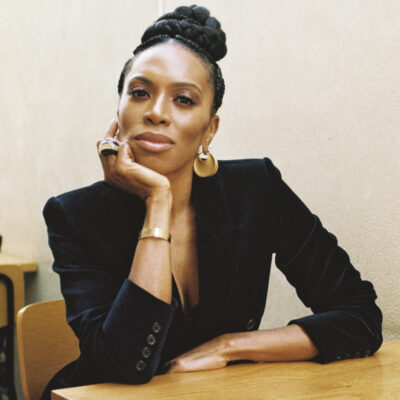
Lisa Anderson is a leader in the culture and heritage sector, passionate about visual arts and dance. With a background in human rights, she uses culture to champion social justice and racial equity. Since 2021, she has been the Managing Director at the Black Cultural Archives, promoting Black British history. As an independent curator, she advocates for African Diaspora art, having established @blackbritishart in 2016. In 2019, she launched an art advisory service and recently curated Soulscapes for Dulwich Picture Gallery. Lisa contributes to academic dialogue on arts, culture and heritage, and advises Addis Fine Art and Uchenna Dance.
Kristian Sendon Cordero
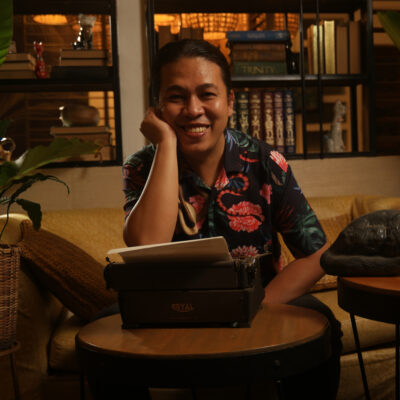
Kristian Sendon Cordero is a poet, fictionist, translator, and filmmaker based in the Bikol region. In 2017, he represented the Philippines in the International Writing Program at the University of Iowa. Consequently, he was also appointed artist-in-residence by the Center for Southeast Asian Studies at the University of Michigan, Ann Arbor in 2018 and in the 2022 Stellenbosch Institute of Advanced Study in South Africa. In 2019, he received the Southeast Asian Writers Prize (SEAWRITE) in Bangkok, Thailand, from the Thai monarchy. He serves as director of the Ateneo de Naga University Press and runs an independent bookshop and art space, The Savage Mind, since 2018. The bookshop has been called the creative heart of Bikol, a bastion of free thinking, and the soul of a community.
Dr Görkem Acaroğlu Training Consultant
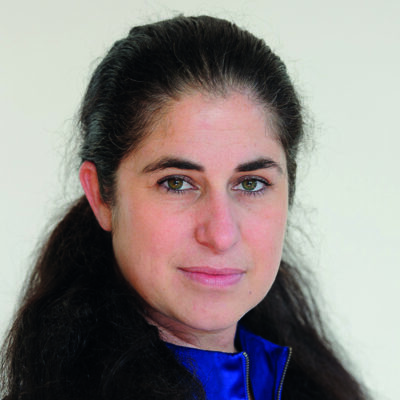
Dr Görkem Acaroğlu is a Creative Director, Mentor and Educator with over 25 years experience in programming, producing, teaching and artistic practice. Görkem has specialist expertise in cross-cultural engagement and working with diverse stakeholders. She provides vision and practical expertise to the realisation of multiple projects from the ground up and has worked in a range of arts and creative roles, including as Creative Director, Metanoia Theatre, Arts Participation Manager at the City of Melbourne, and Program Producer at Federation Square. Görkem was an inaugural Sidney Myer Creative Fellow and was awarded a PhD in 2015 for examining the capacity for technological actors to perform competently with human actors on stage. She is a part-time Senior Lecturer in Cultural Leadership at NIDA. Gorkem is one of Diversity Arts Australia’s lead trainers and consultants, delivering training, strategy days and producing events.
Dr Sukhmani Khorana
Sukhmani Khorana is a Scientia Associate Professor in the School of the Arts and Media, UNSW Sydney. She is interested in media and migration and her research focuses on multi-platform refugee narratives, the politics of food, the role of emotions in social change, cultural diversity in media and culture, and self-representation by young people of colour. Through her research, Sukhmani aims to create broader awareness about the lives of asylum seekers and refugees and contribute to the capacity-building of disadvantaged migrant communities. She is the author of 2 books, co-editor of 2 edited collections, and has published dozens of academic and non-academic articles.